Leave Your Message

10 Best Pilates Reformer Machines for Home and Studio?

Choosing a Pilates Reformer Machine is not simply a matter of finding the highest price tag. A dependable model should support controlled movement, steady resistance, and comfortable alignment during repeated sessions. For home users, room size, storage, noise, and setup time matter just as much as performance. Studios face different pressures, including daily use, cleaning, durability, and client safety.

This guide examines ten leading Pilates reformers for home and studio environments. Each option is considered through practical details, such as frame construction, carriage smoothness, spring quality, footbar adjustment, padding, and available accessories. These features can feel minor on paper. They become important when your shoulders sit unevenly or the carriage starts to sound rough after several weeks. We also consider whether a machine suits beginners, experienced practitioners, instructors, or shared spaces.

Real-world suitability matters.

No single reformer fits every body, budget, or room. Product specifications may change, and personal comfort can be difficult to judge without hands-on testing. That limitation deserves attention. Our comparisons therefore balance manufacturer information with established Pilates principles and practical purchasing considerations. We avoid treating expensive equipment as automatically superior. Instead, we look at construction, usability, maintenance needs, warranty support, and the learning curve involved.

A compact reformer may work beautifully beside a bedroom wall but feel restrictive in a busy studio. Conversely, a commercial-grade model could offer excellent stability while overwhelming a casual home user. The right choice should encourage consistent practice, not create another obstacle.

10 Best Pilates Reformer Machines for Home and Studio?

What Is a Pilates Reformer and How Does It Work?

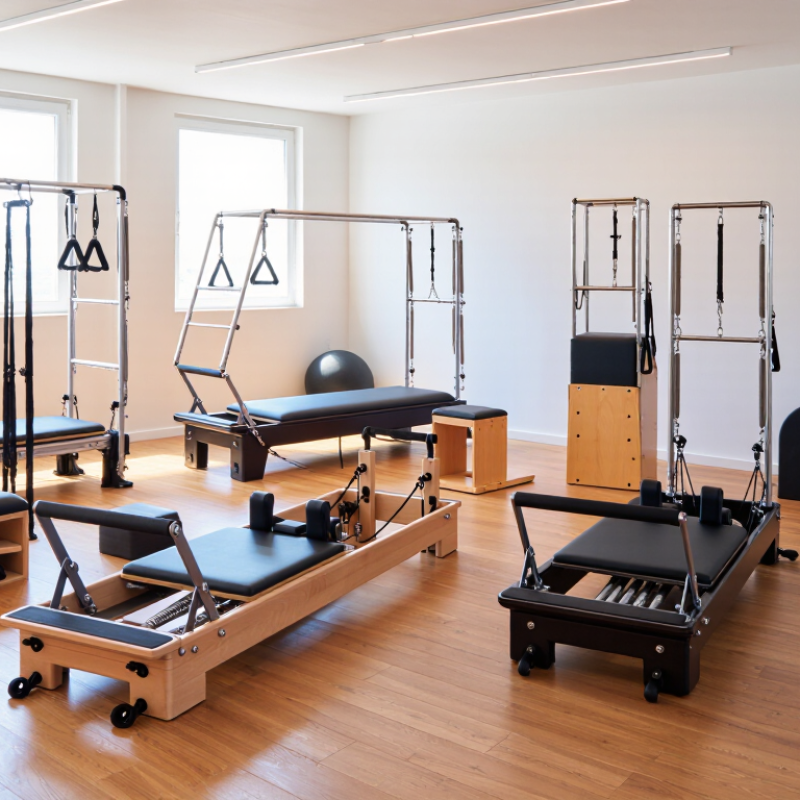
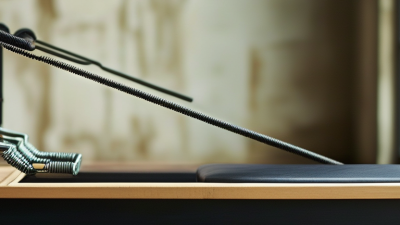
A Pilates reformer is a moving carriage built on a stable frame. Springs connect the carriage to the frame and create adjustable resistance. A footbar supports the feet, while straps and pulleys guide the hands or legs.

During a typical exercise, your body pushes the carriage away, then controls its return. This creates resistance in both directions. The design encourages slow, precise movement rather than momentum. It can train the core, hips, shoulders, and postural muscles together. The Global Wellness Institute reported that the physical activity economy reached about $1.1 trillion in 2022. That growth reflects rising interest in structured, accessible exercise, including Pilates-based training.

Experience matters. A reformer may feel gentle during footwork, yet the springs can challenge balance quickly. Spring tension is not standardized across all machines, so one setting may feel different elsewhere. Professional instruction can reduce poor alignment, especially around the neck, knees, and lower back. I have found that beginners often focus on moving the carriage, not controlling it. That is the part worth reconsidering.

Tips: Start with light resistance and learn neutral spine positioning. Keep the carriage quiet. Stop if pain feels sharp, unusual, or persistent. A home machine also needs enough clearance for full strap movement. The American College of Sports Medicine recommends gradual progression and technique-focused training, not rushing toward heavier resistance.

10 Best Pilates Reformer Machines for Home and Studio? — What Is a Pilates Reformer and How Does It Work?

A Pilates reformer uses a moving carriage, adjustable springs, pulleys, straps, and a footbar to create controlled resistance for strength, mobility, balance, and core training.

Rank Reformer Type Recommended Use Approx. Footprint Carriage Travel Resistance System Frame Material Typical User Capacity Main Strength Important Consideration
1 Full-Length Studio Reformer Studio Approximately 245 × 66 cm Approximately 95–100 cm Four to five color-coded springs with adjustable attachment points Steel or hardwood frame Typically 120–150 kg Excellent all-purpose performance and smooth carriage movement Requires a dedicated training area and ceiling clearance for accessories
2 Foldable Home Reformer Home Approximately 220 × 60 cm when open Approximately 85–95 cm Three to five springs with multiple resistance settings Steel frame with reinforced folding joints Typically 100–136 kg Good balance between functionality and storage convenience Folding mechanisms should be locked securely before every workout
3 Compact Apartment Reformer Small Space Approximately 200–215 × 55–60 cm Approximately 75–90 cm Three or four springs with moderate resistance range Aluminum or powder-coated steel Typically 100–120 kg Fits more easily into bedrooms, apartments, and multipurpose rooms Shorter carriage travel may be less suitable for taller users
4 Wood-Frame Reformer Home or Studio Approximately 235–250 × 65–70 cm Approximately 90–100 cm Four or five springs with rope or strap resistance Hardwood frame with metal hardware Typically 120–150 kg Stable platform, quiet operation, and traditional appearance Usually heavier and less convenient to move than metal models
5 Aluminum Reformer Home or Studio Approximately 230–245 × 60–66 cm Approximately 90–100 cm Four to five springs with adjustable resistance Aircraft-grade or anodized aluminum Typically 120–150 kg Lightweight construction with strong resistance performance May transmit more vibration if placed on an uneven floor
6 Tower Reformer Advanced Home or Studio Approximately 245 × 66 cm plus vertical tower clearance Approximately 90–100 cm Reformer springs plus tower springs, push-through bar, and safety strap Steel or hardwood frame with metal tower Typically 120–150 kg Supports a broader exercise library, including tower-based movements Needs additional wall clearance and careful bar setup
7 Half-Trapeze Reformer Clinical or Studio Approximately 245 × 66 cm plus frame extension Approximately 90–100 cm Reformer springs combined with a raised trapeze frame Heavy-duty steel frame Typically 120–150 kg Offers support for rehabilitation, assisted stretching, and advanced work Large, heavy, and generally unsuitable for limited home spaces
8 Clinical Heavy-Duty Reformer Professional Approximately 245–260 × 66–75 cm Approximately 95–105 cm Four to six high-tension springs with precise attachment positions Reinforced steel or hardwood Typically 136–150 kg High stability for frequent use and supervised rehabilitation sessions Higher weight, cost, and maintenance requirements
9 Elevated Reformer Studio Approximately 245 × 66 cm with a raised platform Approximately 90–100 cm Four or five springs with standard pulley and strap resistance Steel frame with elevated legs Typically 120–150 kg Provides easier access and useful storage space underneath Higher step-up height may not suit every user or rehabilitation need
10 Reformer with Jumpboard Cardio and Conditioning Approximately 230–250 × 60–70 cm Approximately 85–100 cm Three to five springs with a padded jumpboard attachment Steel, aluminum, or hardwood frame Typically 100–150 kg Adds low-impact jumping and cardiovascular intervals to reformer training Requires adequate spring selection, alignment, and landing control
Specifications are typical ranges for each reformer category. Actual dimensions, weight limits, spring tensions, and included accessories vary by model and manufacturer; users should verify the technical specifications before purchase.

Key Features to Compare in Home and Studio Reformers

Choosing among the 10 best Pilates reformer machines requires comparing function, not appearance. ClassPass’s 2024 Look Back Report identified Pilates as its most-booked workout globally, with reservations rising 66% year over year. Demand is growing. Quality still varies.

For home use, measure the frame, carriage travel, and folded storage height first. A stable frame should resist rocking during kneeling exercises. Check the machine’s user-weight rating, spring resistance range, rope adjustment, and shoulder-rest positions. Smooth wheels matter because rough carriage movement can disturb breathing and alignment. Noise also matters in apartments. A machine can look compact but still require considerable clearance around the footbar.

Studios need different priorities. Durability, quick adjustments, replaceable parts, and consistent spring tension affect every class. A padded carriage should support repeated sessions without compressing unevenly. Confirm that the footbar locks securely and that the straps remain comfortable during high-volume use. ASTM International’s fitness-equipment standards emphasize stability, structural integrity, and user safety, although not every reformer carries the same certification. That distinction deserves attention.

I would not rank portability above construction quality. That was an easy assumption, but repeated setup can become irritating. Compare warranty coverage, maintenance instructions, and service access before judging price. No single score is perfect. A quiet, sturdy reformer may suit a small home better than a feature-heavy model with poor adjustment range.

10 Best Pilates Reformer Configurations for Home and Studio

Comparison based on real-world selection criteria: adjustability, stability, portability, user capacity, and value. Scores are normalized on a 100-point scale and represent anonymized equipment configurations rather than company or brand data.

Home users may prioritize compact storage and portability, while studios generally benefit from higher weight capacity, stronger frames, greater spring durability, and tower compatibility.

The 10 Best Pilates Reformer Machines for Different Users

The 10 Best Pilates Reformer Machines for Different Users should not mean ten identical frames. A beginner needs a stable carriage, clear resistance changes, and comfortable shoulder rests. A compact apartment model should fold safely and roll quietly across wood flooring. Taller users need a longer carriage, while advanced trainees may prefer adjustable ropes and a stronger spring range.

For studios, durability matters more than decorative design. Commercial equipment faces repeated loading, frequent cleaning, and different body sizes each day. A home user may train three times weekly, but a studio machine can be used continuously.

The Global Wellness Institute valued the global physical activity economy at about $1.1 trillion in 2022, showing strong demand for accessible movement equipment. Still, popularity does not prove quality.

Check frame rigidity, weight capacity, warranty terms, and replacement-part access. I would also test the footbar height; small alignment problems become obvious after ten minutes.

Tips:

Match the reformer to the user, not the room alone. Measure ceiling height, storage space, and the full carriage path. WHO recommends 150–300 minutes of moderate activity weekly, but Pilates intensity varies widely. Beginners should start with supervised instruction, especially when using heavy springs. Buyers often focus on accessories and regret ignoring noise, padding, or assembly time. A machine can look professional and still feel awkward. Ask whether the reformer supports your actual practice, not an imagined routine.

How to Choose the Right Reformer for Your Space and Goals

Choosing a Pilates reformer starts with your room, not its appearance. Measure the floor area, ceiling height, and clear space around the carriage. You need room to move safely.

For home use, consider a foldable or compact model if storage is limited. Check its folded dimensions carefully. Some frames look slim but remain difficult to move alone. In a studio, durability matters more than portability. A reinforced frame, smooth carriage, adjustable footbar, and quiet springs support repeated daily sessions. Test the carriage if possible. It should glide steadily without scraping or sudden stops.

Your training goals also guide the choice. Beginners may prefer clear spring markings and simple adjustment points. Experienced users often need a wider resistance range and a stable platform for standing exercises. Padding should feel firm, not hard. A thick cushion can still create poor alignment if it sinks unevenly. Inspect the shoulder rests, straps, ropes, and spring connections before every session. Small faults become distracting, or unsafe, when ignored.

Budget includes delivery, maintenance, accessories, and possible repairs. A cheaper reformer may work well, but weak hardware can cost more later. Ask whether replacement parts are available and whether instructions are precise. A qualified instructor can check your setup and movement patterns, especially during advanced exercises.

I would also leave extra space around the machine. My earlier layouts often looked efficient on paper, yet felt cramped during real movement. Reassess the arrangement after a week of use.

Safety, Setup, Maintenance, and Long-Term Value Considerations

A reformer can support controlled strength, mobility, and balance, but safe ownership begins with realistic setup. The World Health Organization’s Global Status Report on Physical Activity 2022 found that 31% of adults do not meet recommended activity levels. A reformer should complement regular walking and resistance training, not replace them.

Place the machine on a level, non-slip surface with clear space around the carriage. Check that the footbar locks firmly before every session. Inspect springs, ropes, clips, and shoulder rests for fraying, rust, or unusual movement. Keep children away during use. Small failures matter.

ASTM F2276-23, a professional fitness-equipment standard, emphasizes structural integrity, stability, and user safety. Still, a compliance label cannot correct poor assembly. Follow the supplied instructions, tighten fasteners gradually, and recheck them after the first few sessions. I would also record inspection dates, although many owners forget this simple habit.

Long-term value depends on serviceability, not appearance. Compare the purchase price with expected years of use, replacement parts, storage needs, and professional servicing. A machine costing 2,000 dollars over ten years equals roughly 200 dollars annually, before maintenance. That calculation looks attractive, perhaps too attractive. Springs lose performance, upholstery compresses, and home humidity can accelerate corrosion. The WHO guideline of 150–300 weekly minutes of moderate activity supports consistent movement, but consistency requires equipment that remains safe, quiet, and adjustable. A cheaper purchase can become expensive when unavailable parts end its useful life.