Leave Your Message

How to Choose Pilates Equipment for Your Business in 2026?

Choosing Pilates Equipment for your business in 2026 requires more than comparing prices and polished product photos. It demands a clear understanding of your clients, studio space, training model, and long-term operating costs. A reformer that looks impressive may become a poor investment if its carriage feels unstable or replacement parts are difficult to source. Small details matter.

Joseph Pilates, the founder of the Pilates method, wrote, “Physical fitness is the first requisite of happiness.” His principle still guides responsible equipment decisions. Pilates Equipment should support controlled movement, safe instruction, and consistent client experience. Experienced studio owners often test spring tension, footbar adjustment, padding, frame stability, and noise levels before placing an order. They also ask suppliers about warranties, maintenance training, delivery timelines, and documentation. Never assume.

This guide examines how to match Pilates Equipment with your business goals in 2026. It considers boutique studios, rehabilitation-focused practices, hotels, gyms, and mobile instructors. Budgeting will include more than the initial purchase. Installation, cleaning, staff training, repairs, storage, and future expansion can change the real cost. A cheaper reformer may create expensive interruptions later.

There is no perfect setup. I have seen studios overbuy equipment before understanding their client flow. That mistake can leave valuable floor space unused. A thoughtful plan begins with honest questions: Who will use the equipment? How many sessions will run daily? Can instructors adjust it confidently? Reliable choices may appear less glamorous, but they usually perform better under pressure. Your equipment should earn trust, session after session.

How to Choose Pilates Equipment for Your Business in 2026?

Define Your Pilates Business Model and Equipment Requirements

How to Choose Pilates Equipment for Your Business in 2026?

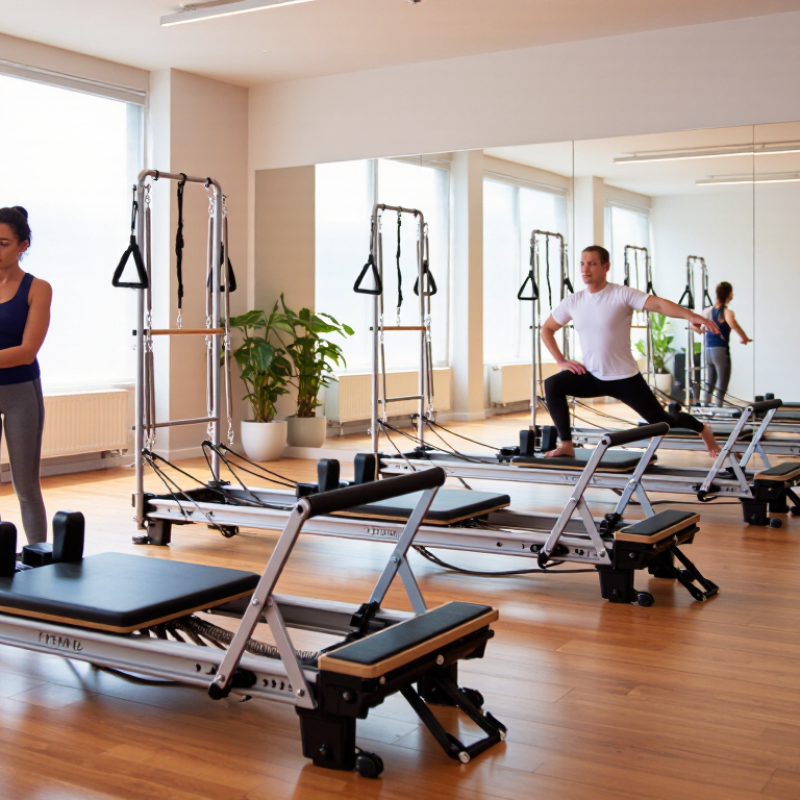
Define your Pilates business model before ordering equipment. A private studio needs different tools than a group training space. Consider your clients, session prices, class sizes, and available floor area. A reformer-focused studio may require several reformers, towers, and storage units. A mobility practice may need mats, barrels, chairs, and smaller props instead. Measure every doorway, ceiling height, and walking path. Equipment that looks efficient online may overcrowd a narrow room. My early planning mistake was prioritizing variety over usable space.

Tips: Write a simple equipment list for each service. Mark each item as essential, useful, or optional. Test movement distances with tape on the floor. Ask an experienced instructor to review the layout. Their criticism may prevent expensive changes.

Choose equipment according to teaching quality and maintenance demands. Adjustable resistance supports mixed ability levels. Stable frames improve confidence during repeated sessions. Easy-clean surfaces reduce daily preparation time. Check weight limits, replacement parts, warranty terms, and safety instructions before purchasing. Reliable documentation matters, especially when several instructors share the studio. I would not assume the most expensive option is the safest or most suitable. Trial sessions can reveal awkward adjustments, noisy springs, or poor storage access. Leave room for future growth, but do not buy for an imaginary business.

Assess Studio Space, Client Capacity, and Equipment Layout

Choosing Pilates equipment for your business in 2026 starts with measuring the studio, not browsing catalogues. Record usable floor space, ceiling height, storage areas, and emergency walkways. A reformer may need more clearance than expected when clients enter, adjust springs, or move into standing exercises. Mark each equipment footprint with tape before purchasing. This simple test often exposes cramped corners.

Estimate client capacity from safe movement, not maximum occupancy. In a small studio, fewer stations may create better coaching and smoother transitions. Leave enough space for instructors to walk around each client without twisting sideways. Separate louder activities from quieter sessions when possible. A practical layout should support cleaning routines, equipment checks, and clear visibility. I have seen attractive layouts fail because storage doors blocked one reformer. That mistake is easy to overlook.

Tips: Draw the layout to scale. Test one full class. Ask an instructor to walk the route. Keep frequently used accessories within reach. Review the plan after a trial week.

Measure the studio at different times. Morning sunlight, evening traffic, and shared-room furniture can change the usable space. A flexible layout may be more valuable than adding another machine. Document dimensions, capacity assumptions, and safety checks. This creates a reliable purchasing record and helps explain decisions to staff, clients, and inspectors. Still, no plan is perfect. Client mobility, class style, and instructor habits may require adjustments.

Compare Pilates Equipment Types, Features, and Quality Standards

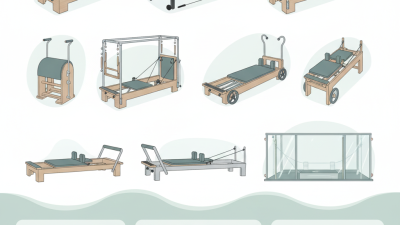
Choosing Pilates equipment for a business requires more than comparing prices. Each type serves a different training purpose. Reformers support flowing exercises, adjustable resistance, and varied client levels. Chairs need less floor space but demand stronger balance control. Cadillac or tower units add suspension work and broader programming options. Barrels support spinal mobility, though they may serve fewer daily sessions. Mats remain essential for warm-ups, rehabilitation, and group classes.

In my studio planning experience, adjustability often matters more than appearance. Check carriage movement, spring tension, footbar positions, upholstery seams, and frame stability. A reformer should move quietly, without sudden catches. Test it with different body sizes.

Small details matter. Handles should feel secure, and straps should resist fraying after repeated use. Ask suppliers for material specifications, load testing records, maintenance instructions, and warranty terms. Claims without documents deserve caution.

Quality standards should include durable construction, safe edges, stable connections, and finishes that are easy to clean. Look for evidence of consistent manufacturing and independent product testing where available. I once prioritized attractive woodwork and underestimated replacement parts. That choice created avoidable delays.

I still think design influences client confidence, but service access matters more during a busy schedule. Keep inspection logs for springs, ropes, bolts, and padding. Replace worn components before they affect movement quality. Some equipment choices will remain imperfect, especially when space and budget conflict.

Calculate Budget, Ownership Costs, and Supplier Support

Choosing Pilates equipment in 2026 requires more than comparing purchase prices. A practical budget should include delivery, installation, staff training, floor protection, and replacement parts. For example, six reformers may fit your room, but their combined shipping and setup costs can change the investment significantly. Leave a contingency reserve of 10% to 15%. Unexpected costs appear quickly.

Ownership costs deserve closer attention. Estimate cleaning supplies, annual inspections, upholstery repairs, spring replacement, and equipment downtime. A low-priced machine may need more frequent servicing. That difference can affect cash flow after two years. Ask suppliers for maintenance schedules and typical part prices. Request written warranty terms. Verbal promises are difficult to manage.

Supplier support can protect your daily operations. Check response times, technician availability, spare-part storage, and training materials. Ask whether support continues after installation. Also confirm delivery procedures, especially for narrow doors, stairs, and limited loading areas. A detailed equipment spreadsheet helps compare suppliers fairly. Include purchase cost, five-year maintenance, expected downtime, and resale assumptions. Some estimates will be imperfect. Review them with your instructor and accountant before signing. A cheaper quotation is not always the safer business decision.

Plan Equipment Setup, Maintenance, and Future Expansion

How to Choose Pilates Equipment for Your Business in 2026?

A practical equipment plan starts with your class schedule, floor space, and client profile. Measure each training area before ordering anything. Leave clear walking paths around reformers, towers, and storage units. My first studio layout was too crowded. Clients moved carefully, and instructors lost valuable teaching space. That mistake taught me to test the setup with a full mock class.

Choose equipment that matches daily use, not just appearance. Commercial sessions can place heavy stress on springs, straps, frames, and upholstery. Create a maintenance log for every unit. Check spring tension, carriage movement, ropes, and fasteners each week. Clean high-touch surfaces after busy sessions. Schedule professional inspections at least annually, or more often when usage is intense. Keep replacement parts and cleaning supplies in one labeled cabinet. Small delays become expensive quickly.

Plan expansion before your studio becomes full. Reserve electrical access, storage capacity, and flexible floor space for future equipment. A modular arrangement can support new classes without forcing a complete redesign. Review attendance, waitlists, repair costs, and instructor feedback every quarter. Data may challenge your original assumptions. It should. Buying more equipment is not always growth; improving utilization may be the better investment. A phased purchasing plan also protects cash flow while your client base develops.

How to Choose Pilates Equipment for Your Business in 2026? - Plan Equipment Setup, Maintenance, and Future Expansion
Equipment Type Primary Business Use Typical Planning Footprint Recommended Studio Allocation Core User Capacity Purchase Priority Routine Maintenance Plan Expected Replacement Planning Expansion Considerations
Reformer Private sessions, semi-private training, group reformer classes, and progressive resistance work. Approximately 240–290 cm long × 65–75 cm wide per unit, plus clearance for safe movement and instructor access. 35–45% of equipment area 1 client per unit; commonly arranged in groups of 4–12 depending on supervision and room layout. High Inspect springs, ropes or straps, pulleys, shoulder rests, carriage travel, and fasteners before regular use. Clean high-touch surfaces after each session. Plan a 5–10 year replacement horizon for heavily used studio units, subject to inspection, service history, and component availability. Leave circulation routes and utility access so additional units can be added without reducing safe instructor visibility.
Cadillac / Trapeze Table Rehabilitation-focused work, advanced movement programming, private instruction, and varied spring-based exercises. Approximately 190–240 cm long × 70–90 cm wide, with additional vertical clearance and access space around the frame. 10–20% of equipment area Usually 1 client per unit; best suited to private or highly supervised sessions. Medium to High Check frame stability, springs, attachment points, safety straps, push-through bars, and locking mechanisms. Inspect overhead components more frequently in high-use facilities. Structural frames may have a long service life, while springs, straps, and other wear components require periodic replacement based on condition and usage. Reserve sufficient ceiling height, wall clearance, and unobstructed access before installation or future relocation.
Chair Small-footprint strength, balance, mobility, unilateral training, and private or circuit-based programming. Approximately 60–80 cm wide × 60–80 cm deep per unit, excluding instructor and client movement space. 5–10% of equipment area 1 client per unit; suitable for private sessions or compact circuits. Medium Inspect pedals, hinges, springs, handles, upholstery, and non-slip feet. Confirm that moving parts operate smoothly without unusual noise or looseness. Plan component replacement according to wear; upholstery and springs generally require attention earlier than the main frame. Useful for adding service variety without major construction or a large increase in floor area.
Ladder Barrel Spinal mobility, extension work, flexibility training, posture exercises, and specialized private instruction. Approximately 100–130 cm long × 60–80 cm wide, with clear space at the front and sides for movement. 5–10% of equipment area 1 client per unit; generally used in private or small-group sessions. Low to Medium Check ladder stability, frame joints, padding, upholstery, and floor contact points. Keep surfaces clean and dry. Replace padding or upholstery when compression, cracking, or loss of support affects safe positioning. Place near a wall or low-traffic area while preserving enough room for safe entry, exit, and instructor assistance.
Mat and Small Props Foundational Pilates, warm-ups, mobility classes, beginner programs, workshops, and overflow capacity. Allow approximately 2.5–3.5 m² per participant for a mat-based class, depending on exercises and room circulation. 20–35% of usable open area 1 client per mat; class size should be limited by ventilation, instructor visibility, and emergency egress. High Clean and dry mats after use. Inspect resistance bands, rings, blocks, balls, and foam rollers for tears, cracks, deformation, or loss of elasticity. Replace soft goods and elastic accessories whenever they become damaged, contaminated, or unreliable; do not use visibly degraded bands. Provides a low-cost way to increase class capacity and introduce clients to equipment-based services later.
Spine Corrector Spinal articulation, posture training, stretching, mobility work, and targeted private-session exercises. Approximately 60–90 cm long × 35–50 cm wide per unit, plus user movement clearance. 5–10% of equipment area 1 client per unit; can be integrated into private sessions or small circuits. Low Inspect the frame, padding, seams, and non-slip base. Keep the equipment stable on the studio flooring. Replace padding or coverings when they no longer provide consistent support or hygienic cleanability. Easy to add later because it requires limited storage and no permanent installation.
Storage and Cleaning Station Equipment organization, hygiene control, fast class changeovers, and reduction of trip hazards. Allocate approximately 1.5–3 m², positioned outside primary exercise pathways but close to the teaching area. 5–8% of total area Supports the full studio rather than a single client position. High Maintain clear labels, inspect shelves and wheels, replenish approved cleaning supplies, and keep walkways free from loose accessories. Replace damaged bins, racks, hooks, and containers before they create falling or trip hazards. Design storage for modular growth so additional props and replacement parts can be accommodated without blocking exits.
Instructor Assessment Area Client intake, movement screening, goal setting, progress tracking, and program customization. Approximately 4–8 m², depending on privacy requirements and the number of instructors. 5–10% of total area 1 client or 1 small assessment group at a time. Medium Keep assessment tools organized and disinfect shared surfaces. Review digital or paper records according to applicable privacy requirements. Update measurement tools and software when accuracy, compatibility, or data protection requirements change. Supports premium assessments, progress reviews, and future services such as rehabilitation partnerships or specialized programs.
Planning note: Footprints and service intervals are practical planning ranges, not universal specifications. Confirm final dimensions, load limits, inspection requirements, cleaning methods, and replacement schedules with the equipment manufacturer and applicable local safety regulations.