How to Choose the Best Pilates Equipment for Your Home Practice
Choosing the right Pilates equipment can significantly enhance your home practice. With various options available, it’s important to understand the different types of equipment and their benefits. The right tools can improve your strength, flexibility, and overall wellness.
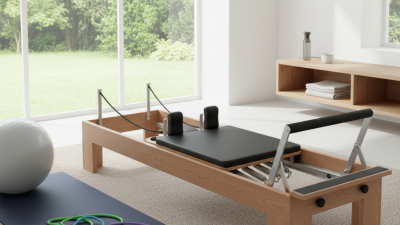
Quality Pilates equipment varies in size, function, and price. A reformer, for example, is essential for detailed movements. It gives you resistance, which challenges your muscles in new ways. Meanwhile, smaller tools like resistance bands and mats are also beneficial. They are affordable and great for beginners.
However, selecting equipment isn't always straightforward. Quality matters. Investing in reliable brands can make a difference in your experience. Also, consider your space. Some equipment requires more room than others. Reflect on your fitness goals before making a decision. A thoughtful choice can empower your practice and lead to lasting results.
Understanding the Different Types of Pilates Equipment Available
When selecting Pilates equipment for home practice, it's crucial to understand the different types available. Notably, Pilates reformers are a popular choice for enhancing strength and flexibility. According to a report from the Pilates Method Alliance, reformers can improve muscle activation by up to 30% compared to mat exercises. This makes them a powerful tool for both beginners and advanced practitioners.
For those with limited space, mat Pilates may be a more suitable option. Mats can provide a firm, supportive surface for executing bodyweight exercises. They require minimal investment and can still deliver significant fitness benefits.
Consider starting with a high-quality mat that can withstand regular use.
Tips for selecting equipment include evaluating your fitness goals. If strength training is a priority, opt for a reformer. For flexibility and core stability, a balance ball might suffice. Always check user reviews and product specifications to ensure reliability.
The right equipment should feel comfortable and safe during your practice. Don't hesitate to test a piece if possible. Remember that personal preference plays a big role in motivation and consistency.
Assessing Your Space and Budget for Home Pilates Practice
Assessing your space for a home Pilates setup is crucial. Look around your living area. Is there enough room for a reformer or a mat? Ideally, you’ll want at least 10 feet by 6 feet of clear space. Consider the floor type too; hardwood or carpet can affect your practice. Natural light can enhance your mood, so find a spot that feels inviting.
Next, budget is a significant factor. Pilates equipment can range from affordable mats to high-end reformers. Determine what fits your financial plan. A mat is great for beginners, while more advanced practitioners might invest in larger apparatus. Remember, quality often outweighs quantity. You can create an effective practice space without spending a fortune. Reflect on what you truly need versus what you want. This can help in making sound decisions that align with your Pilates journey.
Key Features to Look for in Pilates Equipment
When selecting Pilates equipment for your home practice, focus on key features that enhance your experience. Versatility is essential. Many practitioners report that multi-use equipment, including reformers and stability balls, improves their workouts. According to a survey by the Pilates Method Alliance, 52% of enthusiasts value equipment that adapts to various Pilates exercises. This flexibility can boost your motivation and consistency.
Consider durability as well. The industry standard suggests investing in high-quality materials. Equipment made from sturdy wood or reinforced aluminum often lasts longer and withstands rigorous use. Poor quality equipment can lead to injuries, which is a risk worth avoiding. Furthermore, weight capacity is crucial. Many Pilates items can support up to 300 pounds, accommodating a broader range of users.
Tips for making the right choice: Always check reviews for insights on comfort and usability. It’s vital that your equipment feels stable and safe. If possible, test it in a studio setting before purchasing. If you have limited space, opt for foldable designs. They provide ease of storage without compromising quality. Finally, remember that your goals may evolve. Choose equipment that can grow with your practice.
Selecting Equipment Based on Your Skill Level and Goals
Choosing the right Pilates equipment can significantly enhance your home practice. It's crucial to align your choices with your skill level and personal fitness goals. If you're a beginner, focusing on basic tools can help you build a strong foundation. A mat is essential. It provides the support you need while learning fundamental movements. Additionally, consider resistance bands. They add variation and challenge without overwhelming you.
For those with more experience, investing in advanced equipment might be beneficial. A reformer offers versatility and depth to your routines. It allows for more complex movements and greater resistance. However, remember that such equipment requires a firm understanding of techniques. A lack of practice can lead to frustration.
Tips: Start with essential items that match your level. Don't rush into advanced gear. Regularly assess your comfort with equipment. This reflection can help you adjust your practice effectively. Consider your goals closely. Are you focusing on strength, flexibility, or rehabilitation? Each goal may warrant different equipment. Ensure your choices align with your aims.
Maintenance and Care Tips for Your Pilates Equipment
Maintaining your Pilates equipment is essential for ensuring a safe and effective home practice. Regular cleaning of your reformer, mats, and props can prevent wear and increase their lifespan. Use a gentle cleaner and microfiber cloth to wipe down surfaces after each session. This simple habit helps remove sweat, dust, and bacteria.
Check your equipment for wear and tear regularly. Look for signs like fraying straps or loose springs. Addressing these issues promptly is crucial. Minor repairs can make a big difference in safety. Don't hesitate to consult a professional if you're uncertain about fixing something yourself. Equipment neglect may lead to frustrating and potentially harmful situations.
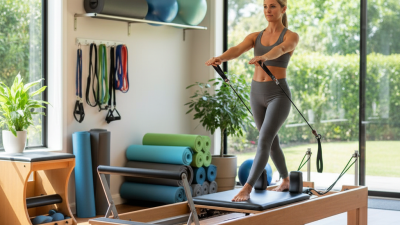
Consider storing your gear properly. A clutter-free space allows for better practice and focuses on form. Ideally, keep your items in a cool, dry area to prevent mold or damage. Simple organization methods, like baskets or wall hooks, can enhance your routine. Regularly assess your setup to see how it can evolve with your growing needs.
How to Choose the Best Pilates Equipment for Your Home Practice - Maintenance and Care Tips for Your Pilates Equipment
| Equipment Type |
Purpose |
Maintenance Tips |
| Reformer |
Full-body workout with adjustable resistance. |
Wipe down after each use; regularly check for loose springs. |
| Mat |
Foundation for floor exercises and stretching. |
Clean with mild soapy water; avoid harsh chemicals. |
| Pilates Ball |
Enhances stability and balance during workouts. |
Keep inflated to the correct size; store in a cool, dry place. |
| Resistance Bands |
Adds variable resistance to exercises. |
Check for wear and tear; store flat to avoid tangling. |
| Foam Roller |
Used for muscle recovery and tension relief. |
Wipe with a damp cloth; avoid exposure to direct sunlight. |



 1Durch die gruppenweite Einführung und Harmonisierung unseres integrierten Managementsystems (IMS) werden alle bestehenden Unternehmens-, Qualitäts-, Umwelt- und Energiepolitiken durch diese Unternehmenspolitik ersetzt. Der Slogan „Textil hat Zukunft – auch in De