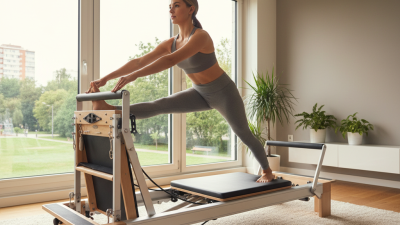
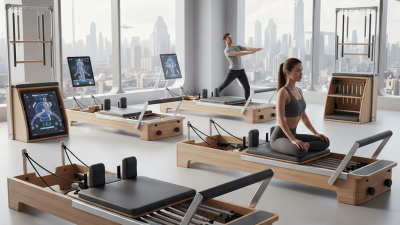
Choosing a Pilates Reformer Machine is not simply a matter of selecting the cheapest frame or the most attractive finish. It involves biomechanics, construction quality, user safety, maintenance, and the space available in your studio or home.
Market data shows why careful selection matters. Grand View Research reported strong growth in the global Pilates and yoga studios market, reflecting wider demand for structured movement training. Research and Markets also identifies Pilates equipment as a growing category, although published estimates vary because companies define the market differently. That inconsistency deserves attention. Numbers can guide decisions, but they should not replace hands-on testing.
Ken Endelman, founder of Balanced Body, has described the Reformer as “the most versatile piece of Pilates equipment.” His observation highlights an important principle: versatility must be practical. A reliable Pilates Reformer Machine should offer smooth carriage movement, stable shoulder rests, adjustable springs, secure footbars, and comfortable padding. Check the carriage path carefully. Listen for rattling. Test every adjustment.
A compact model may suit a small apartment, while a commercial studio needs stronger upholstery, replaceable components, and clear warranty support. Height also matters. A low frame can challenge some users, especially when mounting or dismounting. A taller model may improve accessibility, but it requires more room.
Do not ignore instructor experience. Ask whether the machine supports the exercises you teach most often. Read the manufacturer’s service policy, not only the product description. A polished website proves little.
The best choice is rarely the most expensive machine. It is the one that matches real users, daily workload, available space, and honest maintenance expectations.
How to Choose a Pilates Reformer Machine?
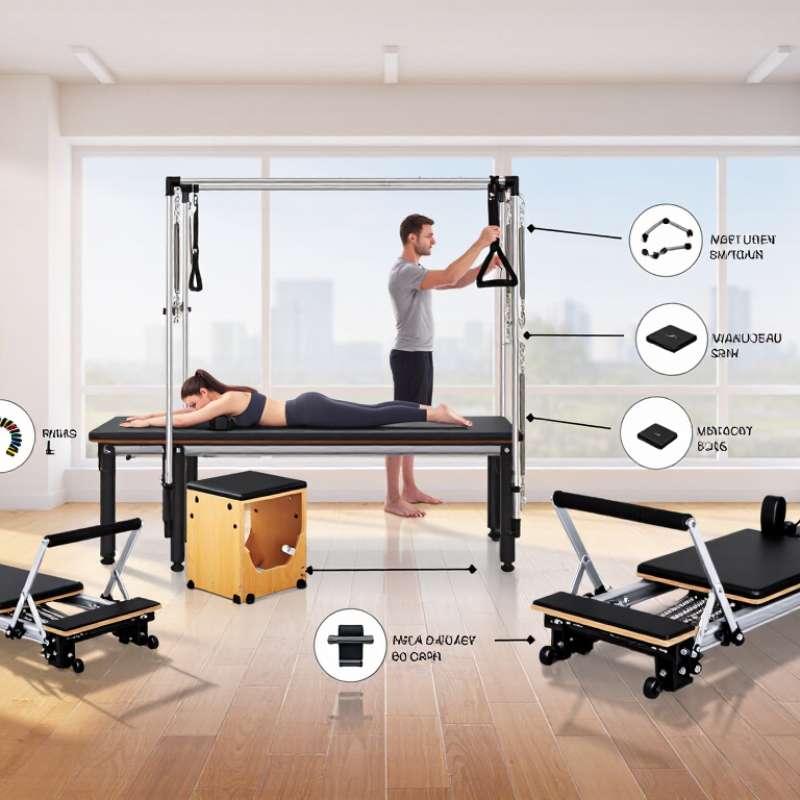
When comparing Pilates reformer types, examine the carriage, frame, springs, footbar, and intended training space. Classical reformers usually follow traditional proportions and provide a stable, focused setup. They often suit users who value controlled movements and familiar exercise sequences.
Contemporary reformers may include an adjustable footbar, movable shoulder rests, and different rope settings. These features support varied body sizes and changing exercise goals. A tower reformer adds a vertical frame, springs, and a push-through bar. It offers more exercise options, but requires extra clearance and careful instruction. Compact or folding reformers can work well in small homes. However, lighter frames may feel less stable during powerful movements.
I once assumed more attachments always meant better training. That assumption was too simple. During a trial, I noticed that excessive adjustments interrupted my concentration. Check whether the carriage moves smoothly and quietly. The springs should feel even, without sudden resistance changes. Inspect the footbar locks, shoulder rests, straps, and frame connections before regular use. A certified Pilates instructor can also assess whether the machine matches your posture, mobility, and experience. Beginners may need simple controls and clear spring changes. Experienced users may prefer greater resistance variety and tower functions. No machine is perfect. Your space, body, budget, and practice habits should guide the final choice.
| Reformer Type | Main Structure | Typical Features | Approximate Size | Best For | Key Considerations |
|---|---|---|---|---|---|
| Classical Reformer | Traditional carriage-and-rail design with a relatively compact frame and a fixed footbar arrangement. | Rope or strap system, shoulder rests, headrest, adjustable spring resistance, and a stable footbar. | Approximately 230–260 cm long and 60–70 cm wide. | Users who want to follow traditional Pilates exercise sequences and instructors who prefer a standardized setup. | The fixed layout may provide fewer adjustment options for different body sizes or specialized exercises. |
| Contemporary Reformer | Modern reformer frame designed with multiple adjustment points and compatibility with a broader range of exercises. | Adjustable footbar, movable shoulder rests, multiple spring positions, padded carriage, and adjustable ropes or straps. | Approximately 230–270 cm long and 65–80 cm wide. | Home users, rehabilitation settings, and studios serving clients with different fitness levels. | More adjustment options can improve versatility but may require additional setup time and maintenance. |
| Reformer with Tower | A reformer combined with a vertical tower or half-tower mounted at one end of the frame. | Tower springs, push-through bar, roll-down bar, arm and leg springs, adjustable footbar, and standard reformer carriage. | Approximately 230–280 cm long, 65–85 cm wide, and 200–240 cm high when assembled. | Experienced home users, instructors, and studios needing mat, tower, and reformer exercises in one unit. | Requires sufficient ceiling clearance and careful installation. The tower increases exercise variety but also increases cost and footprint. |
| Folding Reformer | Reformer designed to fold, stand vertically, or separate into sections for storage. | Foldable frame, locking mechanism, wheels or transport handles, adjustable footbar, springs, and removable accessories. | Usually 220–260 cm long when open; storage height and depth vary by folding design. | Apartment users and home exercisers with limited permanent workout space. | Check folded dimensions, frame stability, locking safety, setup time, and whether folding affects carriage smoothness. |
| Portable Reformer | Lightweight or compact reformer-style equipment intended for transport or occasional use. | Compact carriage, resistance cords or light springs, detachable parts, carry handles, and a reduced accessory set. | Commonly shorter and narrower than full-size models; exact dimensions vary considerably by design. | Travel, small spaces, beginners, and users who prioritize portability over a full studio experience. | Often has a smaller carriage, lighter resistance, and fewer adjustment options than a full-size reformer. |
| Studio or Commercial Reformer | Heavy-duty frame built for frequent use, repeated adjustments, and professional instruction. | Reinforced frame, durable upholstery, smooth wheel bearings, multiple spring strengths, adjustable footbar, and interchangeable accessories. | Approximately 240–290 cm long and 70–90 cm wide; tower versions require additional vertical clearance. | Pilates studios, gyms, physical therapy facilities, and instructors serving multiple clients each day. | Higher purchase and delivery costs are balanced by greater durability, serviceability, and long-term workload capacity. |
How to Choose a Pilates Reformer Machine?
Your space should guide the purchase, not a showroom photograph. Measure floor length, width, ceiling height, doorways, and the storage route. Many home reformers require about 2.4 to 2.7 metres of length. Actual dimensions vary. Leave roughly 60 centimetres of working space around moving parts. I once measured the room but ignored the staircase. The machine fitted the floor, not the journey inside. That mistake still matters.
Your practice level affects safety and learning speed. Beginners benefit from a stable frame, readable spring settings, an adjustable footbar, and comfortable shoulder rests. These features make alignment easier to monitor. Experienced users may prefer a tower, more resistance options, or a wider exercise library. The ClassPass 2024 Look Back Report named Pilates the most-booked workout globally for the second consecutive year. Strong demand does not prove that every machine suits every body. A trend report cannot replace instruction.
Training goals should shape the final specification. Choose smooth resistance and clear adjustments for general strength and mobility. Consider a tower attachment for progressive stability and flexibility work. For rehabilitation, consult a qualified physiotherapist before selecting resistance levels or accessories. The Global Wellness Institute’s 2023 Physical Activity Economy report valued the sector at about 1.1 trillion dollars. That growth can encourage rushed purchases. Reflect carefully. A machine used twice weekly may be wiser than an advanced model that becomes furniture.
Compare typical reformer footprints to match your available space, practice level, and training goals. Measurements are representative planning ranges for non-branded equipment.
Compact models are suitable for smaller rooms and occasional home practice. Full-length reformers generally provide more carriage travel for progressive training, while studio tower-capable models require the most space but support a wider range of exercises and accessories. Allow additional clearance around the machine for safe movement and storage.
How to Choose a Pilates Reformer Machine?
Frame design affects stability, comfort, and long-term maintenance. A steel frame usually feels firm during standing exercises, while a wooden frame can offer warmth and visual appeal. Check the frame joints, carriage clearance, and footbar connection carefully. The carriage should glide smoothly without side-to-side movement. Stability matters. A slightly noisy machine may still function well, but repeated scraping often signals poor alignment or worn wheels. I once underestimated frame height, and stepping onto the carriage felt awkward.
Resistance systems shape how each movement feels. Spring systems provide clear changes in tension and support controlled progression. Examine the spring range, attachment points, and replacement process. Different spring strengths should create noticeable but manageable differences. A pulley system can improve exercise variety, especially when rope length adjusts smoothly. Test it slowly. If the ropes drag, twist, or stop unevenly, precision becomes difficult. Resistance labels are useful, though they are not always consistent between machines.
Adjustability determines whether the reformer fits different bodies and training goals. Look for several footbar positions, movable shoulder rests, and adjustable rope lengths. These features help users maintain safer joint angles and comfortable alignment. The machine should suit both a shorter beginner and a taller, experienced user. Check every locking mechanism with one hand. Small controls can become frustrating during a busy session. My preference is not always the best choice; a compact model may save space but limit exercise options. Measure your room, allow walking space, and consider who will use the machine most often.
Choosing a Pilates reformer machine requires more than checking its appearance. Comfort affects control during long sessions. Sit on the carriage and test its padding, shoulder rests, footbar, and headrest. Your spine should remain neutral without pressure points. The carriage should glide quietly, without sudden resistance. Small adjustments matter.
Safety deserves direct inspection. Check whether springs are clearly labeled and easy to replace. Test the rope length, locking system, footbar stability, and carriage stopper. ISO 20957-1:2013 recommends stability, strength, and functional safety principles for stationary training equipment. A reformer should not shift when you press firmly through the footbar. It should also stop smoothly. My own practical mistake was judging safety by appearance alone; hidden wear can be more important than polished metal.
Durability depends on structure, moving parts, and maintenance access. A 2024 IHRSA industry report recorded more than 72 million fitness facility members in the United States, showing how heavily equipment may be used. For frequent sessions, choose replaceable ropes, accessible wheels, and corrosion-resistant hardware. Ask for load testing information, spare-part availability, and cleaning instructions. The World Health Organization recommends 150–300 minutes of moderate activity weekly, so repeated use can expose weak components quickly. Wipe contact surfaces after training, inspect springs regularly, and record unusual sounds. Maintenance is easy to postpone. That is the problem.
Price matters, but the cheapest reformer may become expensive later. Compare the full cost, including delivery, assembly, maintenance, and essential accessories. A stable frame, smooth carriage, and quiet wheels usually indicate better construction. Test the footbar and springs if possible. Small movement issues become frustrating during regular practice.
Tips:List your needs before shopping. Check whether the package includes a box, platform extender, straps, and jump board. Ask about replacement parts and their delivery times. Measure your room carefully, including space for safe movement. A reformer can fit beside a wall but still feel too crowded.
Warranty terms deserve close attention. Look for clear coverage periods, repair procedures, and exclusions for normal wear. Reliable support should provide written instructions, responsive communication, and qualified service advice. Read customer feedback about support after purchase, not only product appearance. I once underestimated assembly time, and that mistake changed my budget. Another concern is accessory quality; attractive extras may not withstand frequent use. Choose practical equipment over impressive packaging, and keep records of invoices, maintenance, and support conversations.