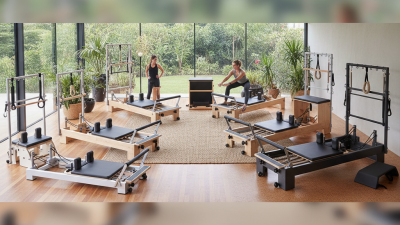
Pilates is moving from boutique studios into hotels, rehabilitation spaces, and home gyms. That shift gives global buyers more choices—and more risk. A reformer may look sturdy in a product photo, yet daily studio use exposes weak upholstery, noisy carriage wheels, or inconsistent resistance.
Industry reports offer useful context. The Global Wellness Institute’s Global Wellness Economy Monitor 2024 estimated that the physical activity economy reached about US$1.06 trillion in 2023. That figure covers a broad sector, not Pilates equipment sales. ClassPass’s 2024 Look Back report also identified Pilates as a leading, highly booked workout format on its platform. These signals suggest continued interest, but they do not prove that every market or studio has the same demand.
Choosing a Pilates Reformer manufacturer takes more than comparing prices. Buyers need to assess frame materials, spring options, carriage smoothness, replacement-part access, warranty terms, and shipping support. Ask for clear specifications and practical evidence, such as load testing or service procedures. Details matter. This Top 10 guide compares manufacturers through a buyer-focused lens, including product range, customization, and support for international orders. No ranking can replace a factory inspection, and specifications do not always tell the whole story. Still, careful checks can help buyers shortlist suppliers with fewer costly surprises.
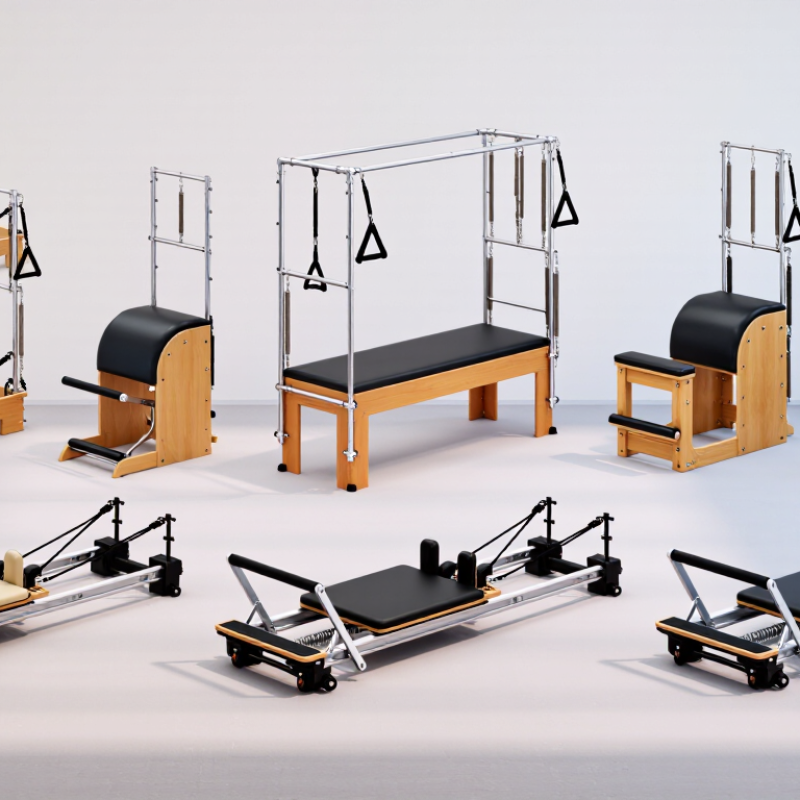
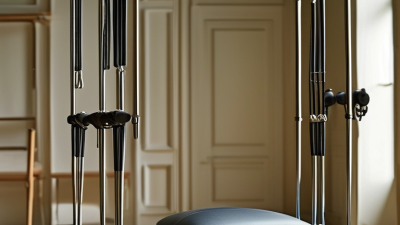
Pilates reformer manufacturing covers more than assembling a frame and carriage. Products may include studio reformers, compact home models, and units with tower attachments. Buyers should inspect the frame material, rail alignment, spring options, upholstery, and adjustment points. Small details matter. A carriage that rolls unevenly can disrupt a session, while loose stitching may wear quickly under daily use.
Manufacturers serve varied markets, including fitness studios, hotels, schools, and home users. Each setting brings different needs. A busy studio may value durable upholstery and quick spring changes; a home buyer may prioritize a smaller footprint and quieter movement. Export orders also require careful packaging, clear assembly instructions, and access to replacement parts. Delivery schedules can shift, so promised lead times deserve verification.
A credible supplier should explain how components are checked and how defects are handled. Ask about load testing, finish consistency, spare-part availability, and service response times. Requesting production samples or inspection records can make comparisons more concrete. Still, a polished sample does not guarantee every production unit will match it. That gap is worth discussing before ordering. Specifications can look complete on paper, yet long-term maintenance costs are sometimes overlooked.
Global buyers should evaluate more than price and appearance when choosing a Pilates reformer manufacturer. The Health & Fitness Association’s 2024 Global Report recorded 184 million fitness-facility members across 65 markets in 2023. That figure signals broad equipment demand, but it does not prove any supplier’s quality. Ask for model-specific test records, production checks, and clear warranty terms. For applicable equipment, request evidence against ISO 20957-1 safety requirements; verify that the documentation covers the exact reformer you plan to buy.
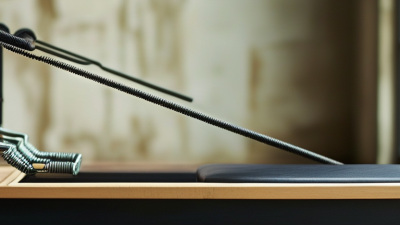
Inspect the details that shape daily use: carriage travel should feel even, rails should not rattle, and rope adjustments should lock securely. Request load ratings, spring specifications, and replacement-part lead times in writing. A polished sample can still hide inconsistent production. So can vague quality claims. If possible, test units from more than one production batch, then compare noise, alignment, and finish. Check packaging plans too; damaged rails can turn a good factory order into a costly delivery problem.
Tips:
Ask for a live factory video, a sample inspection checklist, and references from buyers in similar markets. Confirm who handles spare parts and how quickly they respond. Keep one point of caution: supplier promises are not performance data. Verify them.
Global buyers should compare Pilates reformer makers by frame stability, carriage glide, spring options, and access to replacement parts. The Global Wellness Institute’s 2023 Global Wellness Economy Monitor estimated the physical activity economy at 1.1 trillion US dollars in 2022. That broad figure signals a large sector, not guaranteed demand for any single equipment type. Small details matter.
A hardwood specialist emphasizes visible grain and careful joinery. A steel-frame producer targets busy commercial studios. A compact-equipment maker focuses on smaller home spaces. A custom workshop adjusts dimensions for studio layouts. A modular-system maker offers tower attachments. A component-focused supplier prioritizes upholstery and replaceable springs. A high-volume producer handles larger orders. An export-oriented factory designs protective shipping crates. A materials-led maker documents sourcing and finishes. A service-focused manufacturer provides setup guidance and repair support. These are useful profiles, not a ranking.
When assessing any supplier, request load and durability test methods, warranty terms, and spare-part availability in writing. Ask for proof. A smooth carriage in a showroom does not establish long-term performance. I would also check how the maker handles worn straps, noisy wheels, and delayed parts; these practical questions are easy to overlook. Manufacturers that explain limits clearly may be easier to evaluate than those relying on polished claims.
A useful comparison of Pilates reformer manufacturers starts with the equipment itself. Some offer compact home models, while others build studio lines with multiple carriage sizes and accessory options. Check frame material, rail smoothness, upholstery thickness, and how easily springs can be changed. A carriage should glide evenly without rattling or catching. Small details matter.
Quality claims deserve evidence. Ask for documented load testing, inspection procedures, warranty terms, and replacement-part availability. If possible, review a sample unit and test the footbar, ropes, and shoulder rests through repeated adjustments. These checks can reveal loose fittings or awkward settings that product photos hide. A polished brochure is not proof.
Customization can include frame dimensions, upholstery colors, spring resistance, and logo placement. Confirm which changes affect delivery time, minimum order quantities, or repairability. A tailored finish may suit a studio, but unusual parts can be harder to replace later. I would compare the full specification sheet, not just the quoted price. Even careful checks have limits; long-term performance is difficult to judge from a brief demonstration.
Suggested buyer-side evaluation weights—not audited market data or manufacturer ratings. Compare product options, request relevant quality and safety documentation, and confirm customization and after-sales support directly with each supplier.
Global buyers should compare Pilates reformer quotes on the same specification, not just the unit price. Frame material, carriage dimensions, spring options, upholstery, and included accessories can change costs substantially. Ask for a written breakdown covering packaging, spare parts, and any customization fees. A lower quote may omit useful items. Small differences matter.
Shipping estimates should identify the dispatch point, production lead time, packing method, and delivery terms. A reformer is bulky, so request carton dimensions and gross weight before booking freight. These details help a forwarder estimate costs and check whether the equipment fits through the studio entrance. Confirm who handles export documents and what happens if a shipment arrives with visible damage. Delays still happen. Build time into the opening schedule.
After-sales support is part of the purchase, not an optional extra. Ask how to report faults, which components are replaceable, and whether setup guidance is available remotely. Request clear warranty terms in writing, including coverage periods and exclusions. Keep photos, serial details, and delivery records in one folder. A quick reply sounds reassuring, but it does not prove that replacement parts are readily available. I would verify that point before paying a deposit; it is easy to overlook when comparing polished quotations.
Buyer reference: The anonymous entries below are sourcing profiles, not named or ranked companies. Price, MOQ, lead-time, freight, and support figures are indicative planning ranges—not verified supplier quotations. Confirm specifications, destination, Incoterms, warranty coverage, and service terms directly with each supplier.
| Supplier Profile | Typical Product Focus | Indicative FOB Price (USD/unit) | Typical MOQ to Confirm | Production Lead-Time Planning | Shipping Planning | After-Sales Items to Confirm |
|---|---|---|---|---|---|---|
| 1 — Entry-level OEM workshop | Basic studio reformer; standard carriage, springs, ropes, and footbar options | $700–$1,500 | Often 5–20 units for standard models | Approximately 25–45 days after specification and deposit approval | Request a packed-carton or crate measurement for an LCL/FCL freight quote; ocean transit is route-dependent | Ask about spare-part availability, spring replacement, warranty exclusions, and remote setup guidance |
| 2 — Mid-range commercial equipment maker | Studio-use reformers with upgraded upholstery, adjustable components, and heavier-duty construction | $1,200–$2,800 | Often 5–20 units; mixed-model orders may be possible | Approximately 30–60 days, depending on production schedule and customization | Compare port-to-port and door-to-door quotations; check destination handling and customs charges | Confirm written warranty duration, replacement-part lead times, and procedures for transit damage |
| 3 — Premium studio equipment maker | Higher-spec reformers with refined adjustment systems and a broader accessory range | $2,500–$5,500+ | Often 1–10 units, subject to model and customization | Approximately 30–75 days; made-to-order finishes can extend the schedule | Protective crating and cargo insurance may be advisable for higher-value shipments | Request a parts list, service documentation, warranty conditions, and support availability in the buyer’s time zone |
| 4 — Wood-frame specialist | Reformers using hardwood or engineered-wood frames, commonly with studio and home-use configurations | $1,000–$4,000 | Often 5–20 units; verify finish and wood options | Approximately 30–60 days; allow time for finish approval where applicable | Confirm moisture protection, packaging dimensions, and any destination-specific wood-packaging requirements | Check finish-care instructions, frame warranty, hardware replacement process, and assembly support |
| 5 — Metal-frame specialist | Steel- or aluminum-frame reformers for studios seeking a durable, cleanable structure | $1,200–$4,500 | Often 5–20 units; smaller orders may carry a higher unit price | Approximately 30–60 days, depending on coating, configuration, and order size | Verify net and gross weight, corrosion protection, and whether the quote includes export packing | Confirm coating and structural warranty terms, replacement hardware, and access to assembly instructions |
| 6 — Compact and home-use equipment maker | Space-saving reformers, including models designed for easier storage or residential delivery | $600–$2,000 | Often 10–50 units for OEM orders; confirm retail-ready packaging options | Approximately 25–50 days for standard configurations | Ask for carton dimensions and dimensional-weight details; residential delivery can cost more than port delivery | Check user manuals, spare-part ordering, assembly support, and warranty coverage for home use |
| 7 — Reformer-and-accessory supplier | Reformers supplied with optional towers, jumpboards, boxes, or other compatible accessories | $1,500–$5,000+, depending on configuration | Often 5–20 complete sets; accessories may have separate minimums | Approximately 35–70 days when accessories or custom configurations are included | Request separate packing details for accessories and confirm whether all items ship together | Verify accessory compatibility, replacement-part codes, and whether support covers the complete set |
| 8 — Custom-finish OEM producer | Private-label or customized reformers with selectable upholstery, colors, finishes, or logo placement | $1,000–$4,500+ | Often 10–50 units for customized orders; artwork or tooling fees may apply | Approximately 40–75 days after artwork, samples, and specifications are approved | Approve a pre-shipment packing list and finished-product photos before dispatch | Document approved samples, color tolerances, defect remedies, and responsibility for replacement parts |
| 9 — High-volume production supplier | Standardized models intended for repeat orders, distributor programs, or larger studio projects | $700–$3,000 | Often 20–100+ units for best pricing; negotiate trial-order terms | Approximately 30–70 days; larger orders may require phased production and shipment | Plan container utilization, loading schedule, export documents, and inspection timing in advance | Agree on batch quality checks, defect reporting windows, spare-parts stock, and escalation contacts |
| 10 — Project-oriented equipment manufacturer | Reformer packages for studio fit-outs, with optional matching equipment and coordinated delivery | $1,200–$5,500+ per reformer, excluding project-specific services | Often 5–20 units; confirm minimums for matching equipment and custom layouts | Approximately 35–75 days; project schedules depend on approvals and production capacity | Request a consolidated logistics plan, delivery-site requirements, and clear Incoterms such as FOB, CIF, or DAP | Confirm installation responsibilities, training availability, commissioning support, and post-delivery service response times |