Pilates Towers are becoming a practical consideration for studios, rehabilitation-focused facilities, and home fitness buyers seeking versatile training equipment. The opportunity sits within a wider wellness market. The Global Wellness Institute’s Global Wellness Economy Monitor 2024 estimated that the global wellness economy reached $6.3 trillion in 2023 and projected growth to $9 trillion by 2028. This figure covers many sectors, not Pilates equipment alone. Still, it helps explain why buyers are examining durable, space-conscious fitness products. A tower’s spring resistance, attachment points, frame stability, and usable footprint can matter more than a polished product photo. Small details matter.
For global buyers, identifying China-based suppliers involves more than comparing catalog prices. Factory experience, material specifications, production consistency, customization options, and clear communication all deserve review. Ask for dimensions, load-related specifications, finish details, and close-up images of joints and moving parts. Where possible, assess a sample before placing a larger order. These checks are practical, not guarantees; quality can vary between models and production batches. The GWI report offers useful market context, but it does not rank manufacturers or measure Pilates Tower demand. That distinction is easy to overlook. This guide introduces leading supplier considerations and helps buyers frame more informed questions. Even a strong supplier profile leaves something uncertain until the equipment is inspected and tested in its intended setting.
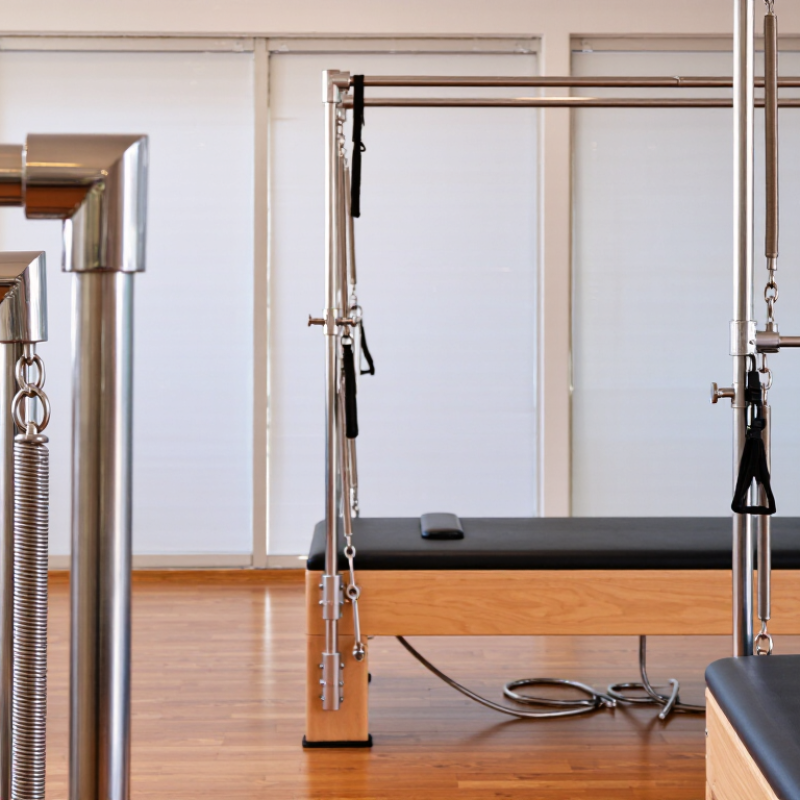
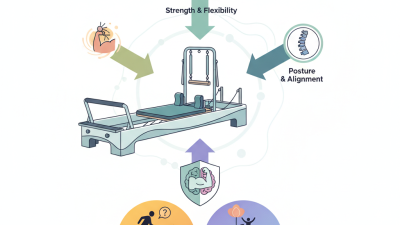
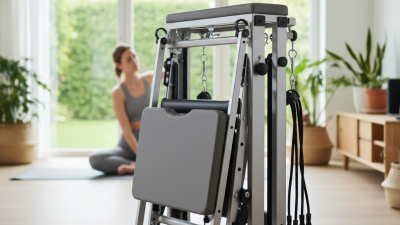
A Pilates tower adds spring resistance to a compact vertical frame, letting users perform assisted stretches, presses, and controlled core exercises. Its main parts are the frame, adjustable springs, attachment points, a roll-down bar, and a push-through bar. Many setups also include straps or loops and a safety strap. Each part changes the direction or amount of resistance. Small details matter.
The Health & Fitness Association’s 2024 Global Report estimated that the global health club industry generated about US$96.7 billion in 2023. This figure describes the wider fitness sector, not Pilates towers specifically, so it should not be treated as a tower sales forecast. For buyers, the practical question is fit: check frame dimensions, spring options, attachment spacing, and whether the unit suits wall mounting or a reformer. A tower that looks sturdy may still feel awkward if bar height or spring reach does not match the intended exercises.
Tips: Ask for spring specifications and installation instructions, not just product photos. Check that clips move smoothly and that the safety strap sits securely. Test adjustments with a qualified instructor where possible. One easy-to-miss point is storage clearance; measure the room with bars and straps extended. It is tempting to compare only price, but that can leave the most useful details unexamined.
China’s Pilates tower manufacturing industry is organized around a mix of specialized workshops and full-service factories. Some suppliers make steel frames and weld the vertical posts, while partner workshops produce padded platforms, straps, springs, and cable components. Larger factories may handle several stages under one roof. Smaller ones often depend on outside suppliers.
This structure can offer buyers flexible designs and production volumes. A typical tower may combine a powder-coated steel frame, stitched upholstery, adjustable springs, and detachable handles. Assembly and inspection matter: loose fittings, rough welds, or uneven padding can affect daily use. Quality controls vary between suppliers, and documentation is not always equally detailed. That gap deserves attention. Buyers should check material specifications, sample consistency, load-testing records, packaging, and spare-part availability before placing repeat orders. A polished sample alone is not enough.
Tips: Ask who makes each key component, and request clear inspection criteria. Compare a production sample with the approved sample. Small differences can appear. A factory visit or third-party inspection can help verify processes, but neither replaces specific written requirements.
Chinese Pilates tower suppliers generally fall into three groups: integrated fitness-equipment factories, metal-frame manufacturers, and trading companies coordinating outside production. Their capabilities differ. An integrated factory may cut and weld steel, apply powder coating, upholster pads, and assemble finished units under one roof. Ask which steps are handled in-house.
Metal specialists can produce frames with consistent tube dimensions and welded joints, while partner workshops may supply wooden parts, springs, straps, and upholstery. Some suppliers are better suited to custom colors or dimensions; others focus on repeatable standard models. Small details matter. Check spring attachment points, weld finish, and whether moving parts operate smoothly.
Production volume alone says little about reliability. Request a sample, a written specification, and records of inspection for frame stability, finish quality, and component fit. Confirm how the supplier manages replacement parts and production changes. A trading company may offer wider sourcing support, but its factory access should be clear. A neat catalog is not proof of capacity. Even experienced buyers can miss differences between a sample and a larger batch, so define acceptance criteria before production begins.
When comparing Pilates tower suppliers, start with the equipment, not the catalog. Ask for overall dimensions, working load limits, material specifications, and clear photos of welds, pulleys, and attachment points. A detailed specification sheet makes it easier to compare similar models fairly. Small details matter: does the tower fit your studio ceiling, and can staff adjust the springs without awkward reach?
Request a sample unit or arrange a live inspection when possible. Test how smoothly the carriage moves, whether straps feel secure, and if the frame wobbles during controlled use. Ask how each unit is inspected before shipment, and request records or a written quality-control checklist. Also compare replacement-part availability, packaging protection, lead times, and the supplier’s process for handling defects. A polished catalog can still hide missing details.
Look beyond the quoted unit price. Freight, spare parts, assembly instructions, and after-sales support affect the real cost of ownership. Ask for references from buyers with similar order sizes, while recognizing that one reference cannot guarantee your experience. Keep a simple comparison sheet and record unanswered questions. Not every factor fits neatly into a score. A supplier may offer strong pricing but limited customization, or responsive service with a longer production window. Those trade-offs deserve a second look.
Use this supplier-comparison framework to assess quotations and supporting evidence. The weights are an illustrative buyer scoring model, not ratings of specific suppliers.
| Evaluation Dimension | Weight | What to Compare | Evidence to Request | Buyer Check |
|---|---|---|---|---|
| Frame and construction | 15% | Frame material, dimensions, joints, finish, and resistance to movement during use. | Product drawings, material specifications, close-up photos, and inspection records. | Confirm the quoted configuration matches the drawings and intended commercial use. |
| Load and safety information | 15% | Published user-weight limits, component limits, test methods, and safety instructions. | Test reports identifying the tested model, test conditions, and issuing laboratory where applicable. | Do not compare load figures unless their definitions and test conditions are comparable. |
| Springs and adjustment system | 12% | Spring material, resistance options, attachment points, adjustment range, and replacement availability. | Spring specifications, assembly instructions, spare-parts list, and replacement-part quotation. | Check that resistance options and adjustment positions suit the intended users and training program. |
| Upholstery and contact surfaces | 8% | Cover material, padding, seams, cleaning guidance, and availability of replacement upholstery. | Material data sheets, care instructions, samples, and spare-part details. | Evaluate cleanability and wear suitability for the expected frequency of use. |
| Quality control and traceability | 12% | Incoming-material checks, in-process inspections, final inspection, and batch identification. | Quality procedures, sample inspection checklist, and a completed inspection record for a comparable order. | Agree on measurable acceptance criteria and inspection timing before production. |
| Certifications and market requirements | 8% | Relevant product or factory documents for the destination market and the exact product configuration. | Current certificates or reports, including scope, model references, issuer, and validity details. | Verify applicability with the importer or relevant authority; a certificate should not be assumed to cover every model or market. |
| Customization and documentation | 7% | Available dimensions, colors, accessories, language options, and product-label or manual requirements. | Written customization limits, revised drawings, sample approval process, and documentation examples. | Confirm any changes in writing and obtain approval samples where appearance or fit is critical. |
| Quotation and commercial terms | 8% | Unit price, included accessories, packaging, payment terms, quotation validity, and stated trade term. | Itemized quotation with currency, quantities, exclusions, and delivery-term details. | Compare like-for-like specifications and delivery terms rather than unit price alone. |
| Production and delivery planning | 7% | Quoted production schedule, order quantity requirements, shipment readiness, and communication on delays. | Written lead-time assumptions, production milestones, and confirmation of the quoted order quantity. | Compare dates using the same order scope and clarify whether lead time starts after deposit, sample approval, or another milestone. |
| Export packaging and logistics | 4% | Packed dimensions and weight, protection of vulnerable parts, carton or crate design, and shipment configuration. | Packing specifications, package photos, and a packing list for the quoted configuration. | Check that packed dimensions and weights are available for freight estimates and warehouse planning. |
| Warranty, service, and spare parts | 4% | Warranty coverage, exclusions, claim process, response expectations, and long-term parts availability. | Written warranty terms, service contact process, and spare-parts pricing or availability information. | Clarify who pays for replacement parts and shipping, and how claims are documented. |
International buyers should assess a Pilates tower as both equipment and a shipment that must arrive ready to assemble. Before ordering, request packed dimensions, gross weight, pallet details, and clear photos of the frame, springs, and fittings. Confirm who handles export documents, freight booking, and damage claims, and ask for the exact lead time in writing. A low unit price can lose its appeal when bulky packaging raises freight costs. Small details matter. Get it documented.
Quality checks should cover weld consistency, stable tower alignment, smooth moving parts, and spring attachment points. Ask for inspection records and a sample assembly guide; vague assurances are hard to verify once goods leave the factory. After-sales support deserves equal attention. Clarify warranty coverage, spare-part availability, response times, and whether replacement components can be shipped internationally. Keep photos and batch references for each unit, especially when a shipment includes several towers. Even a careful checklist cannot predict every transit problem. Agree on a practical process for reporting damage and receiving parts before finalizing payment terms.