How to Use Pilates Towers for Effective Home Workouts?
Pilates Towers are becoming increasingly popular for home workouts. According to a recent report by the International Health, Racquet & Sportsclub Association, Pilates participation has grown by 20% in the past three years. With more people seeking effective and convenient ways to exercise at home, Pilates Towers offer a versatile solution.
Expert and Pilates instructor, Dr. Laura Simmons, emphasizes, "Pilates Towers can enhance your workout by providing resistance and support." This adds a layer of intensity to traditional Pilates. The Towers promote a full-body workout that engages core muscles and improves flexibility.
Many may struggle to use these systems effectively. Setting up the equipment correctly and ensuring proper form can be challenging. Missteps in technique can lead to injury. Therefore, it's crucial to educate oneself on how to utilize Pilates Towers properly. With commitment and practice, users can overcome these hurdles and achieve their fitness goals. Pilates Towers are an investment in health, providing a unique way to enhance home workouts.
Understanding Pilates Towers: An Overview
Pilates towers are versatile tools that facilitate effective workouts at home. They blend resistance training with traditional Pilates principles, targeting various muscle groups. According to a study published in the Journal of Physical Therapy Science, Pilates can improve core strength by up to 35% in just a few weeks. This makes the Pilates tower an excellent choice for individuals seeking to enhance strength and flexibility.
Utilizing a Pilates tower allows for a variety of exercises, from leg stretches to upper body workouts. The adjustable springs provide different resistance levels, catering to both beginners and advanced users. Proper setup is crucial. Ensure the tower is stable and securely anchored before beginning your routine. It's essential to understand your body’s limitations, as pushing too hard can lead to injury.
Tips: Start with basic movements to familiarize yourself with the tower. Focus on form over the number of repetitions. Gradually increase complexity as you gain confidence. Listen to your body, and adjust your routine as needed. Reflection on your progress can help identify areas for improvement. Regular assessments ensure your workout remains effective and safe.
Key Components and Features of Pilates Towers
Pilates towers are versatile tools for enhancing home workouts. They consist of sturdy frames and adjustable resistance springs. This design allows users to perform a variety of exercises. Each component works together to support body alignment and strength development. The towers offer a unique space for stretching and strengthening muscles. Their compact nature fits into most home environments.
The springs provide resistance, which can be adjusted based on fitness levels. This feature caters to beginners and advanced practitioners alike. Users can perform exercises ranging from leg pulls to arm lifts. The range of movements available promotes balanced muscle development. However, mastering the equipment can take time. Many users struggle with finding the right resistance or positioning.
Incorporating Pilates towers into regular routines can be rewarding. Setting realistic goals is important. Some may find their progress slow or experience frustration. This journey requires patience and consistency. With dedicated practice, individuals can achieve improved flexibility and strength. The journey of using a Pilates tower can enrich your home fitness experience, but it demands commitment and reflection on personal growth.
Setting Up Your Pilates Tower at Home
Setting up your Pilates Tower at home can enhance your workout experience. Choose a quiet space with enough room for movement. Ideally, find a corner with good light and ventilation. Ensure the floor is clean and free of clutter. This will help you focus during your sessions.
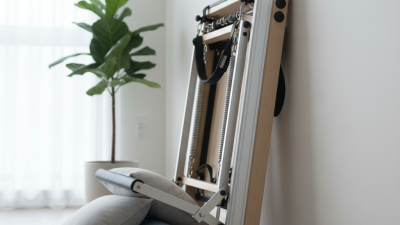
Next, position the tower against a wall. Use a level surface to ensure stability. Make sure the tower is secure to avoid any accidents. Consider adding an exercise mat for comfort during floor exercises. Ensure that the accessories, like straps and springs, are organized. This will allow for quick transitions between movements.
Adjust the settings based on your fitness level, but don’t hesitate to challenge yourself. Experiment with various spring tensions to find what works. It can be frustrating at first to discover your limits. Reflect on your progress and adjust your routine as needed. Take notes on what feels effective or where you struggle. This will help you refine your practice over time.
Effective Pilates Exercises Utilizing the Tower
Pilates Towers are fantastic tools for enhancing your at-home workout routines. They provide resistance and support, making them ideal for all fitness levels. Incorporating them into your exercises can improve strength, flexibility, and overall body alignment. For example, using the spring-loaded resistance can intensify your routine, allowing you to engage muscles differently than on a mat.
One effective exercise is the Tower Leg Press. Begin by lying down, placing your feet on the platform. Press against the resistance, extending your legs fully. This exercise targets your glutes, hamstrings, and calves. Remember to control your movement and don’t rush through the reps. Pace yourself; it's about quality, not quantity. Reflection on your form here is crucial.
Tips: Always adjust the spring tension according to your strength. Start light before progressing. Having a mirror can help you check your alignment. Don’t hesitate to explore modifications; everyone's body responds differently. Embrace the journey of learning rather than just checking off workouts.
How to Use Pilates Towers for Effective Home Workouts?
| Exercise |
Target Muscle Group |
Repetitions |
| Tower Leg Stretch |
Hamstrings, Calves |
10-15 |
| Long Box Pull |
Back, Arms |
8-12 |
| Tricep Press |
Triceps, Shoulders |
10-15 |
| Hip Opener |
Hip Flexors, Inner Thighs |
10-12 |
| Roll Up |
Abdominals |
8-10 |
Tips for Maximizing Your Home Workout with Pilates Towers
Many fitness enthusiasts have discovered the benefits of Pilates. Evidence shows that Pilates can improve flexibility by up to 32% and increase core strength significantly. Using a Pilates tower at home can enhance your workout experience. Here are tips to maximize your use of this equipment.
Focus on proper alignment during exercises. A study by the American Council on Exercise highlighted that correct form reduces injury risk. Regularly check your posture in the mirror or record yourself to ensure you’re doing it right. Engage your core muscles throughout your session. This practice not only strengthens the abdomen but also supports overall body mechanics.
Integrate a variety of exercises into your routine. The Pilates tower supports different movements, which can work multiple muscle groups. Combine leg springs, arm pulls, and other resistance training. Research shows varied routines help to maintain motivation and progress. Listen to your body; modifications might be necessary as you learn new movements. Experimenting is vital for growth.
Effectiveness of Different Pilates Tower Exercises for Home Workouts
This chart illustrates the effectiveness rating of various Pilates Tower exercises that can be performed at home. Each exercise has been rated on a scale of 1 to 10 based on factors such as engagement, strength building, and overall impact on fitness levels.



 1Durch die gruppenweite Einführung und Harmonisierung unseres integrierten Managementsystems (IMS) werden alle bestehenden Unternehmens-, Qualitäts-, Umwelt- und Energiepolitiken durch diese Unternehmenspolitik ersetzt. Der Slogan „Textil hat Zukunft – auch in De