Leave Your Message

What Is the Best Pilates Chair for Commercial Use?

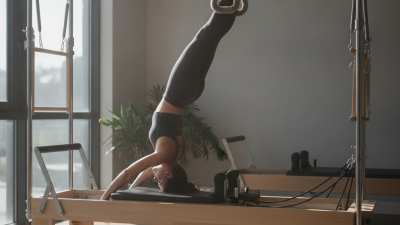
Choosing the best Pilates Chair for commercial use is not a matter of picking the most attractive model. It is an operational decision. A busy studio needs equipment that survives repeated transitions, daily cleaning, and constant spring adjustments. The chair must also remain stable when clients perform standing work, single-leg movements, or assisted inversions.

The Global Wellness Institute reported that the global wellness economy reached $6.3 trillion in 2023. That growth supports continued investment in mind-body studios, but market expansion does not guarantee better purchasing decisions. A commercial Pilates Chair should be evaluated through measurable details: frame strength, non-slip upholstery, pedal control, spring options, footprint, warranty coverage, and replacement-part availability. Instructor experience matters too. A chair that feels elegant during a private session may become slow and frustrating during six back-to-back classes.

Rael Isacowitz, founder of BASI Pilates, describes the Wunda Chair as “a small piece of equipment with a big personality.” That observation remains relevant. Its compact size can improve studio efficiency, yet its demanding balance work requires careful design and consistent instruction. No single chair wins everywhere. Some models offer smoother springs but less storage flexibility. Others provide excellent padding but limited height adjustment. This guide compares the practical differences, using manufacturer specifications, professional experience, and commercial-use priorities. The answer may be less glamorous than expected. Reliability usually matters more than appearance.

What Is the Best Pilates Chair for Commercial Use?

What Defines a Commercial-Grade Pilates Chair?

What Is the Best Pilates Chair for Commercial Use?

What Defines a Commercial-Grade Pilates Chair?

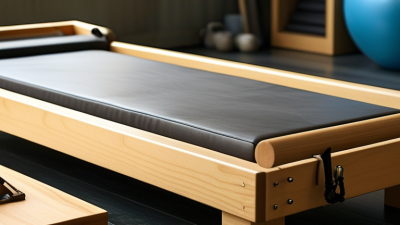
A commercial-grade Pilates chair must withstand repeated use without becoming unstable, noisy, or uncomfortable. In a busy studio, several clients may use the same chair within one hour. Its frame should resist twisting under pressure and remain steady on different floor surfaces. Welded joints, reinforced connections, and a broad support base are practical signs of durable construction.

The upholstery needs equal attention. Dense foam should support the pelvis without feeling hard after twenty minutes. Sweat-resistant, easy-clean covering helps staff maintain hygiene between sessions. Check the stitching closely. Loose seams can become a costly problem. A chair with adjustable resistance should offer smooth, predictable movement. Springs must return evenly, without sudden snapping or uneven tension.

Commercial equipment also needs useful adjustability. Pedal height, resistance options, and compact dimensions can affect different bodies and teaching styles. Clear adjustment points save time during busy classes. They also reduce awkward setup errors. Still, more features do not always mean better performance. Excessive mechanisms may require frequent servicing, and that is easy to underestimate.

A reliable chair should include accessible replacement parts and clear maintenance guidance. Inspect bolts, springs, pedal edges, and frame contact points regularly. Small problems often appear before serious instability. In my practical assessment, a slightly heavier chair usually feels more secure, though it can be harder to move between rooms. That trade-off deserves honest consideration before purchase.

Which Features Matter Most in a Pilates Chair?

What Is the Best Pilates Chair for Commercial Use?

Which Features Matter Most in a Pilates Chair?

A commercial Pilates chair must tolerate repeated use, quick transitions, and different body types. In studio evaluations, frame stability is usually the first concern. A wide base, reinforced joints, and non-slip feet help prevent unwanted movement during standing exercises. The pedal should move smoothly without sudden resistance. Adjustable springs are equally important because beginners and advanced clients need different levels of support.

Comfort matters, but it should not weaken performance. Choose dense, durable upholstery that supports the spine without feeling excessively soft. Rounded edges reduce pressure during seated movements. Easy-to-clean surfaces save time between sessions. Check the stated weight capacity and adjustment range carefully. Numbers alone are not enough. The chair should still feel stable when a tall client shifts weight quickly.

Tips: Test the chair with slow and fast movements. Listen for clicking, frame flex, or spring noise. Measure your studio space before ordering, including storage clearance. A heavier chair may feel safer, but moving it daily can become inconvenient. I once underestimated that detail. Also inspect replacement-part access, warranty terms, and cleaning guidance. These practical features often matter more than attractive upholstery or extra attachments. Ask instructors to test the chair before making a final purchase. Their feedback may reveal small problems that product specifications cannot show.

How to Compare Pilates Chairs for Studio Use

What Is the Best Pilates Chair for Commercial Use?

How to Compare Pilates Chairs for Studio Use

Choosing a Pilates chair for studio use requires more than checking its price or appearance. Instructors should compare stability, adjustment range, padding, and cleaning requirements under repeated daily use. A reliable chair should remain steady during standing exercises, even when a client shifts weight suddenly. Test the frame on a hard floor. Watch for rocking, clicking, or uneven contact.

Seat height affects accessibility and movement quality. A lower seat may support shorter clients, while a higher platform can help taller users maintain better alignment. Check whether the pedal resistance changes smoothly and predictably. Springs should feel secure, not loose or harsh.

I also examine pedal edges, stitching, and exposed hardware because small defects become expensive distractions in busy studios.

Measure the storage area too. A strong chair is not useful if staff cannot move it safely between sessions. Surfaces should tolerate disinfectant without becoming sticky or discolored. Ask about replacement parts, service instructions, and weight capacity documentation. These details reveal how seriously the equipment was designed for commercial demands.

My first comparison often favored the heaviest frame. That was not always correct. Some heavier chairs were difficult to reposition and slowed class transitions. Durability matters, but so does practical handling. Trial sessions with different body types can expose weaknesses that specifications miss. No chair wins every test. A studio should choose the model that supports safe teaching, efficient cleaning, and consistent performance over time.

What Safety and Maintenance Standards Should Be Considered?

A commercial Pilates chair needs more than a stable frame and attractive upholstery. The Health & Fitness Association’s 2024 Global Report counted about 184 million health-club members worldwide in 2023. Heavy daily use makes safety controls essential. Select equipment tested against ISO 20957-1 and relevant ASTM exercise-equipment guidance. These standards address stability, loading, durability, and user protection. They should guide purchasing, even when a Pilates chair falls outside a precise product category.

Inspect the chair before opening each class. Look underneath. Check spring hooks, bolts, welds, pedal hinges, and rubber feet for movement or corrosion. Springs should show no distortion, broken coils, or unusual noise. Test the chair under controlled load, not only with an empty pedal. Confirm that moving parts do not create accessible pinch points. The World Health Organization reported that 31% of adults, about 1.8 billion people, were insufficiently active in 2022. More facilities now serve varied users, including beginners with limited control. Clear weight limits and trained supervision matter.

Clean upholstery after every busy session with a manufacturer-approved solution. Avoid soaking seams. Keep a dated maintenance log with inspection findings, replacements, and staff initials. A clean chair can still be unsafe. Records expose neglect. Replace damaged padding promptly, because compressed foam can change balance and encourage poor alignment. One practical weakness remains: visual checks miss internal fatigue. Periodic professional inspections are worth scheduling, although many facilities postpone them until something feels loose.

What Is the Best Pilates Chair for Commercial Use? - What Safety and Maintenance Standards Should Be Considered?
Evaluation Dimension Recommended Commercial Requirement Why It Matters Verification Method Maintenance or Safety Standard
Frame Construction A commercial chair is exposed to repeated loading, transfers, lateral movement, and frequent adjustment. Frame rigidity helps reduce unwanted movement and premature joint wear. Check welded or bolted joints, inspect for cracks and looseness, and test the chair on a level surface before use. Inspect the frame before each operating day. Remove the chair from service if structural damage, excessive movement, or a sharp edge is found.
Load Capacity A published capacity allows instructors and facility managers to select equipment appropriate for different users and exercise loads. Confirm that the rating is provided in the operating manual or permanent product label. Do not rely on appearance alone. Apply the lower limit when accessories, springs, or unusual exercise positions create additional loading. Record any rating changes issued by the manufacturer.
Base Stability Stable floor contact reduces rocking, sliding, and tipping during standing exercises, step-ups, and supported movements. Place the chair on a level floor and check for rocking, damaged feet, uneven wear, or movement during representative exercises. Clean floor-contact surfaces regularly and replace worn, compressed, or split feet promptly.
Pedal Design The pedal is a moving load-bearing component. Uncontrolled travel or loose pivots can increase the risk of falls, pinching, and impact injuries. Operate the pedal through its full range. Check pivot bolts, bushings, stops, and alignment without placing hands near moving parts. Inspect before each class and lubricate only where the operating manual permits. Replace damaged pivots, stops, or pedals rather than improvising repairs.
Spring System Springs store mechanical energy and may recoil if damaged, incorrectly installed, or detached under load. Look for corrosion, kinks, stretching, broken coils, distorted hooks, and unsecured attachment points. Confirm correct spring placement before use. Inspect springs before every session. Replace any spring showing damage or abnormal deformation; do not mix incompatible spring types or lengths.
Handles and Support Bars Handles are often used for balance and weight transfer. Loose supports can cause loss of control even when the frame is intact. Pull and gently rotate each handle, inspect attachment hardware, and verify that grips do not slide or split. Check before each operating day. Tighten hardware according to the manual and replace damaged grips or supports immediately.
Upholstery and Padding Commercial upholstery must support alignment, tolerate frequent cleaning, and resist tearing, compression, and fluid absorption. Check for tears, exposed staples, loose seams, permanent depressions, and surface cracking. Clean and disinfect with products approved for the upholstery material. Avoid excessive moisture and harsh chemicals that can degrade the cover.
Adjustability Adjustable handles, pedals, or spring settings improve suitability for different users, but incorrectly locked components can move unexpectedly. Operate every adjustment and verify that locking pins, knobs, or bolts engage fully before loading the equipment. Inspect locking mechanisms weekly or more frequently in high-use studios. Replace rounded pins, stripped threads, or damaged knobs.
Applicable Standards There is no single universally adopted Pilates-chair standard in every market. Commercial buyers should require documented risk assessment and applicable conformity information. Request the operating manual, warnings, assembly instructions, test records, and declaration or certification documents where applicable. Use relevant editions of standards such as ISO 20957-1 or regional equivalents only when they apply to the equipment and jurisdiction. Confirm requirements with a qualified compliance professional.
User Instructions Clear instructions reduce misuse, especially when several instructors and users share the same equipment. Check that labels remain legible and that the manual matches the installed configuration and accessories. Train instructors before use. Keep written procedures for equipment checks, incident reporting, cleaning, and withdrawal from service.
Daily Inspection Frequent checks identify loose hardware, damaged springs, unstable feet, and upholstery problems before they become safety incidents. Use a checklist covering frame, feet, pedal, springs, handles, upholstery, fasteners, and labels. Document the inspection. Tag and isolate equipment that fails any check until it has been assessed and repaired.
Routine Servicing High-volume studios experience faster wear than private users. Preventive maintenance helps maintain consistent resistance and stability. Review inspection records and measure recurring problems such as loose fasteners, spring wear, or pedal noise. Perform a documented monthly or usage-based service review, with a more detailed inspection at least annually or as required by the manufacturer.
Cleaning and Infection Control Shared studio equipment can transfer sweat, oils, and microorganisms if high-contact surfaces are not cleaned correctly. Verify that cleaning agents are approved for each material and that staff follow the required contact time. Clean high-contact surfaces between users or classes according to facility policy. Do not saturate padded or wooden components.
Best Overall Commercial Profile The best commercial model is not determined by appearance alone. Reliability, user safety, maintainability, and documented support are more important for high-frequency studio use. Compare the technical manual, warranty terms, spare-parts availability, inspection requirements, and local compliance documentation before purchase. Choose equipment that can be inspected, cleaned, repaired, and returned to safe service without unapproved modifications.
Commercial buyers should follow the current manufacturer instructions and applicable local laws. If a chair shows structural damage, uncontrolled movement, spring failure, or an unclear load rating, it should be removed from service until evaluated by a competent technician.

How to Choose the Best Pilates Chair for Your Facility?

Choosing the best Pilates chair for commercial use starts with your facility’s real demands. A chair for a busy studio needs a stable frame, durable upholstery, and reliable springs. In my experience, instructors notice small problems quickly. Wobbly pedals, sharp edges, or noisy adjustments can interrupt a class. Test each chair with different body sizes and movement levels. Check whether users can mount and dismount safely. Measure the floor space, including room for instructors to walk around it.

Tips: Ask instructors to perform several familiar exercises before purchasing. Test the chair during repeated sessions, not only during a showroom demonstration. Inspect stitching, padding, spring connections, and adjustment points. Noise matters. Also, confirm cleaning requirements and service support. A surface that absorbs sweat may look comfortable but demand difficult daily maintenance.

Adjustability should support both beginners and experienced clients. Look for clear resistance options and controls that instructors can change quickly. The chair should feel firm without becoming uncomfortable during seated or kneeling work. Compare the equipment’s weight with your studio layout. A heavier frame may improve stability, but it can complicate room changes. This is where facilities sometimes misjudge their needs. They focus on specifications and forget staff workflow. Record trial feedback from instructors and clients. Then review it after several weeks, because first impressions can be incomplete.