How to Choose the Best Pilates Chair in 2026?
Choosing a Pilates Chair in 2026 is less about picking the most impressive model and more about matching equipment to your space, experience, and training goals. A compact chair may fit neatly beside a home office desk, while a heavier model can feel more secure during standing exercises. Small details matter: pedal width, spring settings, handle adjustment, and the amount of floor space needed around the frame.
This guide will help you compare those details without relying on marketing claims alone. Check the manufacturer’s weight limits, assembly instructions, warranty, and availability of replacement parts. If possible, inspect how the pedals move and whether adjustments feel clear and controlled. A qualified Pilates instructor can also help you assess whether a chair suits your current practice. Not every feature is useful to every buyer.
Consider how you will actually use the chair. Will it support short mobility sessions, guided workouts, or more challenging strength work? Measure your room before ordering; product photos can make equipment look smaller than it is. Also compare the total cost, including delivery and assembly. A lower price may be appealing, but it tells you little about stability or long-term support. No single chair suits everyone. And specifications can be imperfect. I would not treat a polished finish or a long feature list as proof of quality. The sections ahead focus on practical checks, common trade-offs, and questions worth asking before choosing a Pilates Chair for your home or studio.
Define Pilates Chair Training and Identify Your Fitness Goals
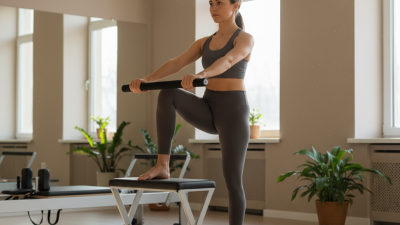
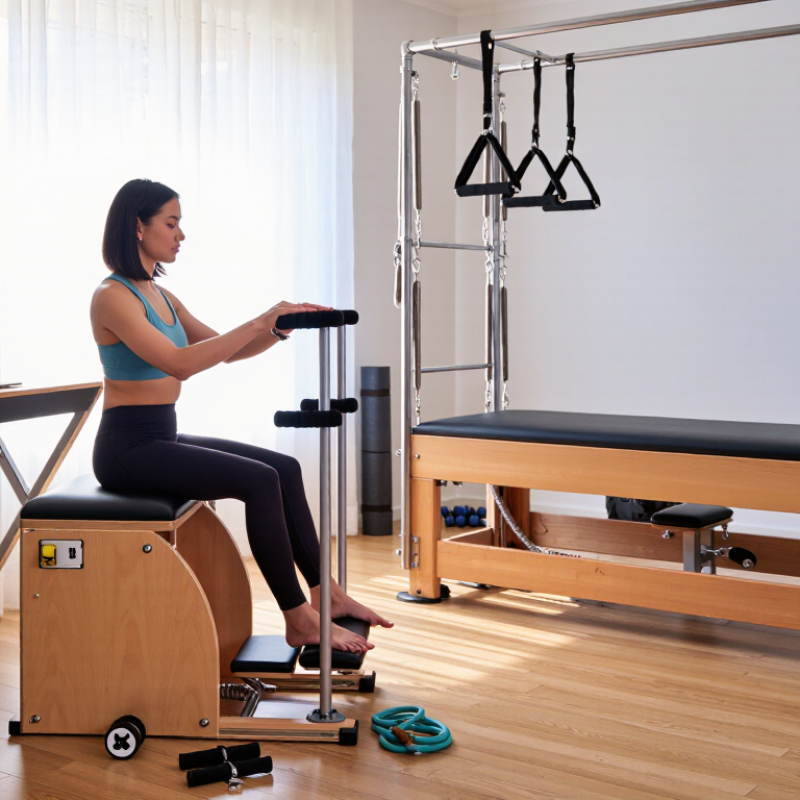
Pilates chair training uses a compact apparatus with a spring-resisted pedal, often supported by handles. You press, lift, or control the pedal while seated, standing, or kneeling. The springs change the effort, but more resistance is not automatically better. Smooth control matters. Small shifts in balance can make a familiar movement feel surprisingly demanding.
Before choosing a chair, name your main goal. Are you building leg strength, practicing balance, improving core control, or adding variety to home workouts? A beginner may value stable handles and easy-to-adjust resistance. Someone with more experience might want a wider range of spring settings and exercises. Try to match the equipment to movements you will actually use, not an ambitious routine you may abandon.
Think about your space, too. Measure the chair and leave room to step around it safely. If possible, test how the pedal moves and whether adjustments feel clear. A chair can look sturdy yet feel awkward for your height or coordination. That part is easy to overlook. If you have pain, balance concerns, or limited movement, ask a qualified instructor or healthcare professional whether particular exercises are suitable before training.
Compare Spring Resistance, Pedal Design, Dimensions, and Rated Load
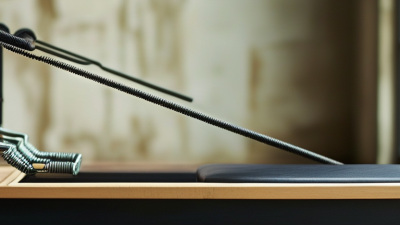
When comparing spring resistance, check how many springs the chair includes and whether each can be changed independently. More springs do not automatically mean better control; their tension and attachment points matter. A lighter setting may suit careful footwork, while stronger resistance can challenge trained users. Try a few controlled presses if possible. The first setting may feel easier than it is.
Pedal design changes how exercises feel. A split pedal can let each side move separately, which helps with alternating leg work, but it may demand more coordination. A connected pedal moves as one piece and can feel steadier for some exercises. Check whether the pedal adjusts to different positions, then consider how securely it returns under spring tension. Small differences matter.
Measure the chair’s footprint, then leave room to step on and move around it. A compact frame can still feel awkward in a narrow corner. Check the rated load in the product specifications, and confirm whether it refers to the user’s weight or total supported load. These terms are not always presented clearly. Don’t guess. Choose a chair with a comfortable margin above your expected load, and inspect its frame and fasteners regularly. A rating is useful, but it cannot predict every movement or floor surface.
Check Safety, Stability, and Durability in Manufacturer Specifications
How to Choose the Best Pilates Chair in 2026?
A Pilates chair should feel steady before it feels challenging. Check the manufacturer’s stated user weight limit, and compare it with your weight plus the force of dynamic movements. The listed maximum is not a comfort target. Leave a sensible margin.
Look closely at the frame, welds, hinges, and spring attachment points. Specifications should identify the main materials and explain how springs or resistance settings are secured. Stability matters, too: check the chair’s footprint, base design, and whether its feet grip smooth flooring. If possible, press down on each corner in a showroom. A slight wobble deserves attention. It may be the floor, but do not assume.
Durability details can reveal more than polished product photos. Look for replaceable springs, clear maintenance instructions, and a stated warranty covering the frame and moving parts. Ask how often fasteners need checking, especially if the chair will see frequent use. It is a boring question. Still, loose hardware can change how a chair feels over time. Specifications do not tell the whole story, and I would not treat a long warranty as proof of quality. Read the assembly notes, inspect the contact points, and consider whether replacement parts are realistically available before choosing.
Match Adjustability to ACSM’s 2–3 Weekly Strength-Training Sessions
How to Choose the Best Pilates Chair in 2026?
Match Adjustability to ACSM’s 2–3 Weekly Strength-Training Sessions
A chair should fit your training rhythm, not just your room. ACSM guidance recommends strength-training activities at least twice weekly; two or three sessions can be a practical schedule for many adults. Look for clearly marked spring settings and a pedal that can move as one piece or split apart. These features help you adjust resistance for presses, step-ups, and balance work. Your legs may tolerate more resistance than your shoulders. Small differences matter.
Check that adjustments are quick and secure. If changing springs takes several awkward steps, you may avoid choosing lighter resistance for careful technique practice. Test the pedal’s range, handle position, and stability on your floor. A compact chair can still feel cramped when your knees rise, so try the movements you expect to repeat. I once assumed a stronger spring meant better progress. It didn’t; controlled movement was a better measure.
Tips: Match the resistance to each session’s goal. Keep one day lighter for precision, and increase resistance only when you can move smoothly. Write down spring settings; memory gets fuzzy. If pain or a health condition affects exercise, ask a qualified clinician or instructor for guidance. A chair cannot correct poor form by itself.
Use ClassPass’s 84% Rise in Pilates Bookings as a 2024 Market Signal
An 84% rise in Pilates bookings during 2024 points to growing interest, not a guarantee that every studio needs another chair. More bookings can mean fuller classes, waitlists, or simply increased curiosity. The figure is a useful market signal, but it does not reveal which equipment members prefer. That distinction matters.
When choosing a Pilates chair for 2026, start with the people who will use it. A compact studio may need a smaller footprint, while frequent classes put extra demands on frame stability and durable upholstery. Check whether spring resistance can be adjusted clearly and whether the pedals move smoothly under controlled pressure. Ask instructors to test transitions, not just basic presses. Small details show up fast.
Try before committing, if possible. Notice whether the chair stays planted on the floor and whether its adjustments suit different body sizes. Also check replacement-part availability and cleaning requirements; busy schedules leave little room for avoidable downtime. Booking growth may support investment, but local class attendance is a better guide to quantity. Numbers can mislead. I would compare a few weeks of actual demand with the cost of storage, upkeep, and instructor training. That part is easy to overlook.
Pilates Booking Growth: A 2024 Market Signal for Pilates Chair Buyers
Booking index, with 2023 set to 100
The 2024 index reflects an 84% year-over-year increase in Pilates bookings, with the prior year normalized to 100. This demand signal may be useful when evaluating Pilates chair availability and features, but it does not measure chair sales.



 1Durch die gruppenweite Einführung und Harmonisierung unseres integrierten Managementsystems (IMS) werden alle bestehenden Unternehmens-, Qualitäts-, Umwelt- und Energiepolitiken durch diese Unternehmenspolitik ersetzt. Der Slogan „Textil hat Zukunft – auch in De