Global interest in mindful movement is creating new opportunities for studios, distributors, and equipment buyers. The Global Wellness Institute’s Global Wellness Economy Monitor 2024 valued the worldwide wellness economy at $6.3 trillion in 2023. It projected growth to $9.0 trillion by 2028. This broad figure includes many sectors. It does not measure Pilates equipment sales directly. Still, it signals a substantial market context for buyers evaluating Pilates Beds.
China is an important sourcing destination for fitness equipment, but a supplier’s location alone cannot establish product quality. Buyers should compare frame materials, upholstery, carriage movement, spring resistance, dimensions, and replacement-part availability. Ask for clear specifications and product testing records. A stable bed should move smoothly, without an unsettling rattle, and remain comfortable during repeated sessions. Small details matter.
This guide examines what global buyers can assess when comparing Chinese Pilates Beds, from product design and manufacturing communication to shipping preparation and after-sales support. Its aim is practical, not promotional. Market forecasts can guide planning, but they cannot guarantee demand or supplier performance. That distinction matters. Buyers should verify claims independently and consider local user needs, studio space, and maintenance capacity. A specification sheet is useful; a sample inspection is better. Yet even careful checks have limits, and sourcing decisions deserve ongoing review.
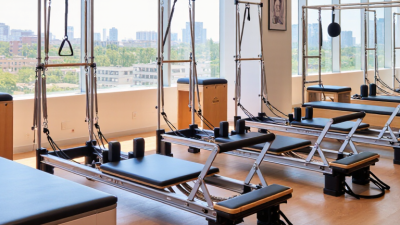
A Pilates bed, often called a reformer, is a moving platform set within a low frame. The carriage glides along rails, while springs provide adjustable resistance. A footbar, shoulder rests, and straps help guide different movements. The machine supports exercises lying down, seated, kneeling, or standing. It is not just a padded table.
During reformer training, users push or pull the carriage against spring tension. This creates a clear, adjustable challenge for the legs, arms, and trunk. A trainer may change spring settings, strap length, or body position to suit an exercise. For example, pressing the footbar while lying on the carriage can train leg control and coordination. The moving surface also gives immediate feedback: rushed movements may feel less steady.
Good instruction matters. Spring resistance is not a direct measure of how difficult an exercise will feel, and more tension is not always better. Beginners may need a stable setup and small, controlled ranges of motion. Small details matter. A strap that feels uneven, or a carriage that moves unexpectedly, deserves attention before continuing. Reformer work can support strength, mobility, and body awareness, but results vary with practice, setup, and individual needs. It is useful equipment, not a shortcut.
Chinese manufacturers commonly offer several Pilates bed types for studios, rehabilitation settings, and home use.
A reformer uses a moving carriage, springs, and adjustable straps for controlled resistance. Buyers can compare compact models with longer frames for taller users. Check carriage travel and spring settings, not just the product photos.
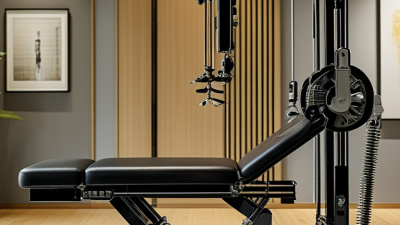
Cadillac beds, also called trapeze tables, add a raised frame with bars and attachment points. They support a wider range of guided exercises but need more floor and ceiling clearance. Combo chairs are smaller and use pedals, springs, and handles for seated or standing work. Ladder barrels pair a curved padded surface with rungs for spinal mobility and stretching. That matters.
Materials and construction vary between suppliers. Some frames use hardwood; others use steel or aluminum. Ask for frame dimensions, upholstery details, spring specifications, and maximum user weight in writing. Request clear photos of joints, welds, and adjustment points. Details vary. Catalog terms can also be inconsistent, so compare actual functions rather than relying on model names. A sample inspection or documented quality check can reveal finish issues that a specification sheet misses.
For global buyers, compare the frame, carriage, upholstery, and moving parts—not just the finish. Steel frames can suit high-use studios when welds are even and coating resists scratches. Hardwood offers a warmer look, but inspect joints and humidity-related movement. A smooth carriage should travel without rattling, even under a controlled, heavier load. Check that ropes, pulleys, and springs are replaceable and clearly rated. Small details matter.
The Global Wellness Institute’s 2024 Global Wellness Economy Monitor valued the sector at $6.3 trillion in 2023. That broad figure suggests strong wellness demand, but it is not Pilates-specific evidence or a measure of equipment quality. For a practical benchmark, ask suppliers for model-specific load tests, inspection records, and traceable material specifications. ISO 20957-1 provides general stationary training-equipment safety requirements; confirm with a qualified testing body whether and how it applies to the exact product.
Tips: Test the bed at full carriage travel. Listen for knocks. Check upholstery seams, foam rebound, and stable foot-bar adjustment. Request spare-part availability in writing. A polished sample can hide wear points; one inspection may not reveal them all.
When evaluating Chinese Pilates bed suppliers, look beyond product photos and quoted prices. Ask for a clear specification sheet covering frame material, dimensions, spring options, upholstery, and maximum user weight. Confirm how that weight limit was tested; figures without a method are hard to compare. Request close-up images of welds, rail joints, and the moving carriage. A smooth finish matters, but consistent movement matters more.
Check whether the supplier can provide a sample or arrange a live video inspection. During testing, listen for rattling and watch for uneven carriage travel. Ask how replacement springs, straps, and upholstery can be ordered, and what the stated lead time includes. Review packaging details too: a bed can leave the factory in good condition and still arrive with damaged corners. Written answers help prevent misunderstandings, though they do not replace inspection. A polished catalog is not proof of quality.
Tips: Compare the same specifications across suppliers. Request test records, warranty terms, and a packing list before confirming an order. Keep one question open: what could fail after six months of regular use? Their answer may reveal more than a sales pitch.
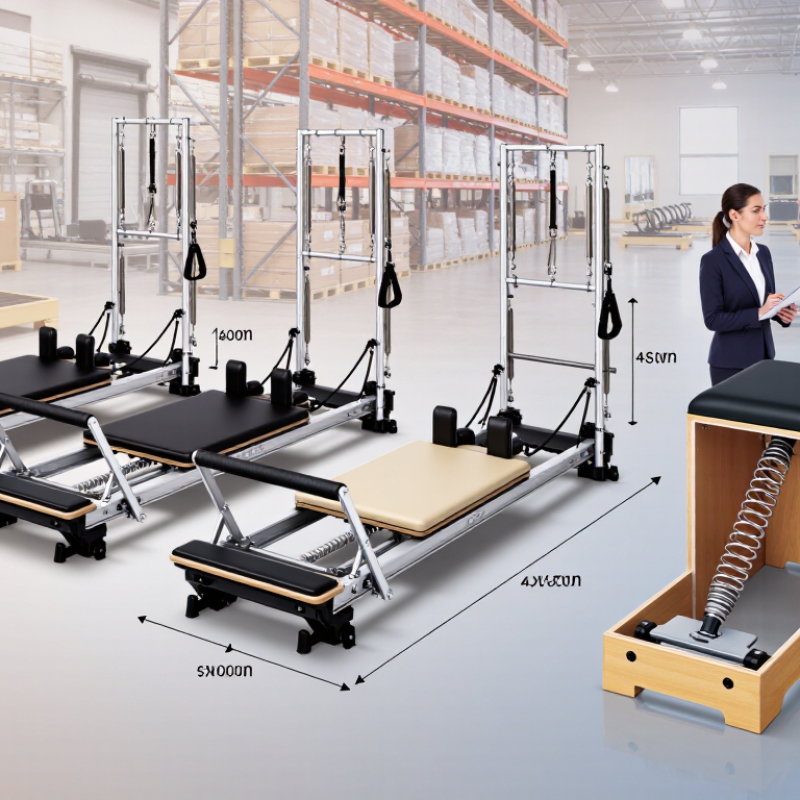
For international orders, treat a Pilates bed as a precision item, not just bulky freight. Record its packed dimensions, weight, crate type, and number of cartons before requesting quotes. Ask the forwarder to confirm whether the quote includes port handling, customs clearance, and final delivery. UNCTAD reports that over 80% of global trade by volume moves by sea, so port delays can affect delivery schedules. Build in buffer time. A promised arrival date is not a guarantee.
The World Bank’s 2023 Logistics Performance Index covers 139 countries and evaluates six areas, including customs, tracking, and timeliness. Use these factors when comparing routes and service providers, not price alone. Request photos of the packed bed, a parts list, and clear assembly instructions before dispatch. Small parts matter. A packing plan is never perfect; long rails and moving components can still shift or get damaged in transit.
After delivery, confirm who handles damage claims and what evidence is needed, such as carton photos and delivery notes. Agree on how replacement parts will be identified, packed, and shipped. Keep common wear items available where practical, and provide a realistic response window across time zones. One overlooked detail is the buyer’s local repair capacity. A spare part helps only if someone can install it safely. (Sources: UNCTAD, Review of Maritime Transport 2024; World Bank, Logistics Performance Index 2023.)
| China Best Pilates Beds for Global Buyers - Export, Shipping, and After-Sales Considerations for International Orders | |||
|---|---|---|---|
| Buying Dimension | Typical Planning Data | What to Verify Before Ordering | International Buyer Action |
| Equipment type and configuration | Reformer beds may be supplied with a moving carriage, springs, ropes, footbar, and shoulder rests. Tower and jump-board options can change the package dimensions and total weight. | Confirm the exact accessories, assembly requirements, adjustment points, and whether accessories ship in the same carton or as separate packages. | Request a final packing list that identifies each unit and accessory separately. |
| Product dimensions and weight | A studio reformer commonly occupies approximately 2.2–2.5 m in length and 0.6–0.8 m in width. Product weight varies substantially by frame material and configuration; obtain the actual specification for the selected model. | Check assembled dimensions, maximum user weight, product net weight, and clearance needed around the equipment. | Compare the dimensions with the studio layout, doorways, lifts, and installation route. |
| Export packaging and volume | Crates or cartons protect the frame and components during transport. For example, a package measuring 2.4 × 0.75 × 0.5 m has a volume of 0.90 m³. | Ask for final packed dimensions, gross weight, packaging material, stackability, and photos of the packed goods. Actual freight volume depends on the final package. | Use packed—not assembled—dimensions when requesting freight quotations and checking warehouse capacity. |
| Shipping method | Sea freight is often considered for larger or heavier orders; air freight can be faster but is generally more expensive for bulky cargo. Transit times depend on route, carrier, handling, and customs clearance. | Clarify whether the quotation covers port-to-port, door-to-door, or another service scope, and whether delivery appointments or liftgate service are included. | Compare total landed cost and delivery scope rather than freight price alone. |
| Incoterms and cost responsibility | Incoterms® 2020 rules allocate specified costs, risks, and responsibilities between seller and buyer. The selected rule and named place or port matter. | Check the precise Incoterms rule, named location, export-clearance responsibility, insurance arrangements, and which party handles import clearance. | Have the agreed rule and named place shown consistently on the quotation, order, and shipping documents. |
| Customs classification and duties | Import classification, duty rates, taxes, and admissibility depend on the destination country and the product’s specifications. A tariff code should not be assumed to apply universally. | Confirm the proposed HS classification with a customs broker or the destination authority; check local taxes, import requirements, and any applicable trade measures. | Prepare a commercial invoice, packing list, transport document, and any other documents required by the destination market. |
| Product safety and market requirements | Requirements vary by country and by product design. Non-electrical equipment and products with powered components may be subject to different rules. | Request relevant test reports, material information, user instructions, and evidence supporting any compliance claims. Verify whether local requirements apply to the intended use. | Check applicable rules before shipment, especially when the equipment includes electrical or electronic parts. |
| Pre-shipment inspection | Inspection can cover quantity, dimensions, finish, moving parts, accessories, labels, and packaging condition. | Agree on inspection criteria and timing before production is complete; define how visible defects or missing parts will be recorded. | Use a signed inspection report and retain photos of the goods and packaging before dispatch. |
| Warranty and after-sales support | Warranty periods and coverage are set by the seller and are not uniform across the market. Coverage may differ for frames, upholstery, springs, ropes, and other wear parts. | Get the written warranty terms, exclusions, claim procedure, required evidence, and responsibility for replacement-part shipping. | Confirm support response channels, service hours, and whether troubleshooting can be provided remotely. |
| Spare parts and maintenance | Common service items can include springs, ropes, wheels, upholstery components, and fasteners. Replacement compatibility depends on the equipment design. | Request a parts list with identifiers, maintenance instructions, and guidance on checking and replacing parts safely. | Consider ordering frequently needed spare parts with the initial shipment, subject to local import rules. |
| Payment and order terms | Payment schedules, production lead times, and cancellation terms are negotiated between buyer and seller; they are not standardized. | Confirm the order specification, currency, payment milestones, production timeline, and remedies for delays or specification changes in writing. | Use a purchase order that references the approved specification, packaging, inspection criteria, and shipping terms. |
| Planning note: Dimensions, weights, freight timing, customs treatment, and warranty coverage depend on the selected product, route, seller, and destination market. Confirm all project-specific details with the supplier, carrier, and local customs or compliance professionals before placing an international order. | |||