Leave Your Message

What Is a Pilates Machine and How Does It Work?

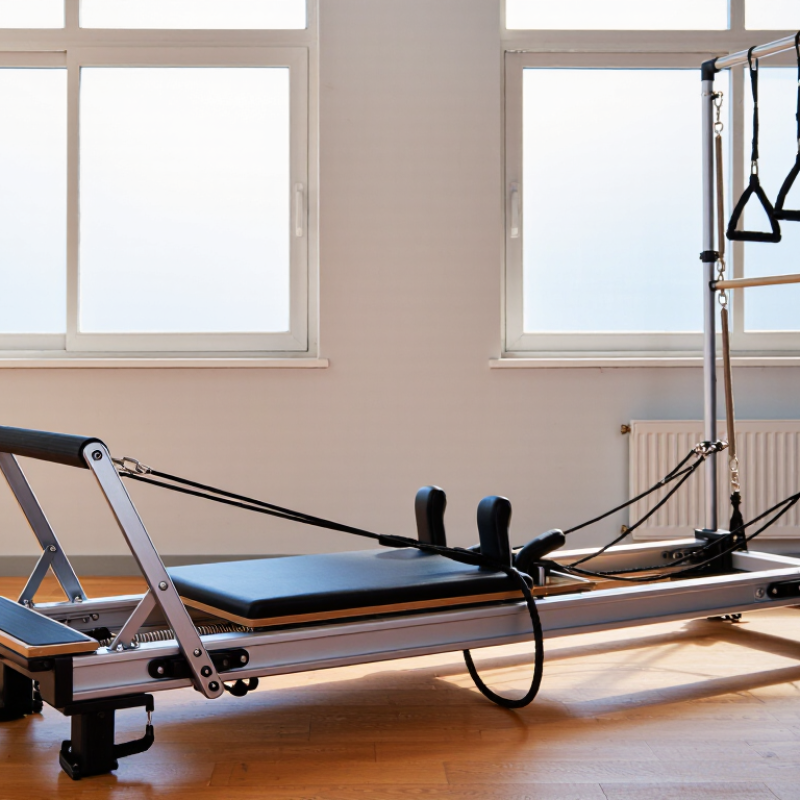
A Pilates machine is a specialized exercise apparatus designed to support controlled movement, resistance, and precise body alignment. The best-known model is the reformer, which uses a sliding carriage, adjustable springs, ropes, straps, and a footbar. Together, these parts create a moving platform that challenges your muscles without relying only on heavy weights. The term Pilatesmachine may appear online as a product label, although “Pilates machine” is more common in professional studios.

The equipment works through spring resistance and guided movement. When you press the carriage away, the springs resist your legs and gradually pull the carriage back. This action trains strength, balance, coordination, and control. Straps can involve the arms or legs, while the footbar changes joint angles and exercise difficulty. Small adjustments matter. A few centimeters can alter where you feel the effort.

A qualified instructor should explain the setup before training begins. They can adjust spring tension, carriage position, and body alignment for different experience levels. The machine is not magic. It cannot replace proper technique, sensible progression, or medical advice when pain or injury exists. Some beginners expect intense sweating, yet Pilates often feels quieter and more demanding internally. That can be surprising.

Even experienced users may lose neutral spine alignment when fatigue appears. This is where careful observation matters. Understanding how each component works makes the machine less intimidating and more useful. It also encourages a realistic question: is the exercise challenging the intended muscles, or merely creating movement?

What Is a Pilates Machine and How Does It Work?

Define a Pilates Machine: Reformer Structure and Its 4–5 Springs

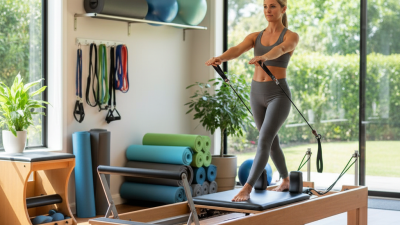
A Pilates machine, commonly called a reformer, is a sliding exercise platform built inside a sturdy frame. Its main parts include a padded carriage, shoulder rests, a footbar, ropes, pulleys, and adjustable springs. The carriage moves along smooth rails as the user pushes, pulls, or controls its return. This design adds resistance while supporting precise, low-impact movement.

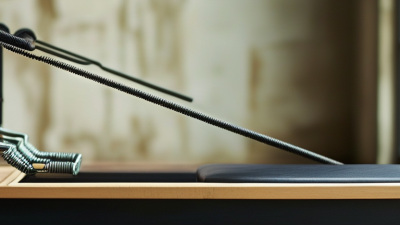
Most reformers use four or five springs with different resistance levels. Each spring connects the carriage to the frame and changes how difficult an exercise feels. A heavier setting can support stable footwork or controlled leg presses. A lighter setting may suit arm work, balance drills, or rehabilitation exercises. However, spring color systems vary, so users should read the machine’s guide instead of assuming every color means the same resistance.

The springs also influence direction and control. They can assist the carriage, resist it, or make instability more noticeable. In coached practice, correct alignment matters more than loading every spring. Keep the spine neutral, move slowly, and stop if sharp pain appears. It is easy to mistake stronger resistance for better training. That assumption needs reconsideration. Beginners may need only one or two springs for some movements, while advanced exercises may require a carefully chosen combination. A qualified instructor can adjust the footbar, rope length, and spring tension to match the user’s mobility and control.

Trace the Mechanics: Carriage, Footbar, Straps, and Pulley Movement

A Pilates machine uses a moving carriage, springs, a footbar, straps, and pulleys to control resistance. The carriage slides along rails beneath the user’s body. Springs connect the carriage to the frame, creating tension as the carriage moves away. More spring tension does not always mean better training. It can also hide weak control.

The footbar gives the feet or hands a stable pushing surface. Its height changes hip, knee, and spine angles, so small adjustments can alter the exercise significantly. Straps transfer force from the arms or legs through pulleys, supporting movements such as leg circles and rowing patterns. The pulley system usually creates a smooth, adjustable resistance path, but alignment remains essential. A twisted strap can change the pull direction and stress the shoulder.

Industry data supports the broader value of structured physical activity. The Global Wellness Institute’s 2024 report valued the global physical activity economy at more than 1 trillion dollars. The American College of Sports Medicine also continues to rank strength, mobility, and functional training among major fitness trends. These figures do not prove that every machine suits everyone. They show growing demand for guided movement. From practical coaching experience, beginners often move too quickly. Slower carriage travel reveals control, breathing, and balance. That detail is easy to miss.

Explain Resistance: How Spring Tension Controls Load and Stability

What Is a Pilates Machine and How Does It Work?

A Pilates machine uses springs to create adjustable resistance, not heavy plates. Each spring changes the effort needed to move the carriage, straps, or footbar. A stronger spring can increase the load, but it can also stabilize the carriage. That detail matters. More resistance does not always mean a harder exercise.

Spring tension usually feels strongest when the spring stretches farther. At the start, the carriage may move easily. Near the end, the pull becomes more noticeable. This changing force challenges control throughout the movement. Light springs demand greater balance and abdominal coordination. Heavy springs often provide steadier support during standing or rehabilitation exercises. The right setting depends on body position, movement speed, and training experience.

According to the Global Wellness Institute’s 2023 Global Wellness Economy Monitor, physical activity was a 1.1 trillion dollar global market in 2022. That growth reflects rising interest in structured movement, but market size does not prove effectiveness. Practice does. In a real session, I would watch whether the pelvis stays level, the ribs remain quiet, and the carriage returns without a jolt. A spring setting that looks impressive may reduce useful control. This is easy to miss. Research and instructor judgment should guide progression, not ego. Manufacturers also describe spring colors differently, so users should check the machine’s resistance chart before comparing loads.

What Is a Pilates Machine and How Does It Work? — How Spring Tension Controls Load and Stability

Resistance Dimension What It Means Scientific Basis Effect on Exercise Load Effect on Stability and Control Practical Application
Spring tension The force produced when a spring is stretched or compressed. F = k × x More spring extension generally produces more force when the spring behaves approximately linearly. Additional tension can help control carriage movement and reduce sudden acceleration. Use greater tension when a slower, more supported movement is appropriate.
Spring constant (k) A measure of spring stiffness, expressed in newtons per metre (N/m). A higher k value means more force is required for the same amount of extension. Two springs stretched the same distance can create different loads if their stiffness differs. Stiffer springs usually provide a stronger restoring force and can make the carriage feel more stable. Spring color or position should not be assumed to indicate a universal force level; the actual spring specification matters.
Spring extension The change in spring length from its relaxed position. For an ideal linear spring, doubling extension approximately doubles force. Load changes continuously as the carriage moves, rather than remaining perfectly constant. Resistance may feel different at the beginning, middle, and end of a repetition. Maintain smooth movement through the full range instead of relying only on the starting load.
Combined springs Two or more springs working together in parallel. For parallel springs, the effective stiffness is approximately the sum of their individual stiffness values: ktotal = k1 + k2. Adding springs increases the force needed to move the carriage the same distance. Combined resistance can reduce unwanted carriage movement and improve perceived support. Increase resistance gradually, because the combined load may rise quickly when several springs are engaged.
Spring arrangement The direction and attachment point through which the springs act on the moving carriage. The spring force acts along the spring’s line of action; leverage can change the force felt at the body or foot bar. The same nominal spring tension may feel different depending on body position and attachment geometry. Balanced attachment helps keep the carriage tracking smoothly and reduces side-to-side movement. Keep both sides of the body aligned and avoid uneven loading unless the exercise specifically requires it.
Carriage travel The distance the moving platform travels along its track. Spring force changes with extension, so the resistance can vary throughout the travel distance. A longer travel may expose the user to a wider range of spring forces during one repetition. Controlled travel challenges coordination, trunk stability, and braking ability. Use a shorter range of motion first if maintaining alignment becomes difficult.
Acceleration and braking How quickly the carriage starts, stops, or changes direction. Net force determines acceleration according to F = m × a. Greater spring force can increase the force available to return the carriage, but the user must still control the motion. Gradual acceleration and braking improve stability and reduce jerky movement. Exhale during effort and finish each repetition without allowing the carriage to strike the end stop.
Return force The spring force that pulls the carriage back toward its resting position. Springs store elastic potential energy as they are stretched or compressed and release it as they return. The return phase can provide assistance or resistance depending on the direction of the exercise. It helps the user sense the carriage position and maintain continuous control. Do not let the springs fully dictate the movement; actively guide the carriage throughout the return.
Low resistance A smaller spring force opposing carriage movement. Less opposing force means less external load, although the exercise may require more stabilization. Often allows easier carriage initiation but may demand greater control to prevent drifting or sudden movement. Can increase the balance challenge because the carriage is less strongly centered. Useful when practicing precise alignment, provided the user can control the carriage safely.
Moderate resistance A middle level of spring force that provides both challenge and support. The springs supply a noticeable restoring force without completely dominating the movement. Creates a balanced strength and control demand for many general exercises. Often provides enough feedback to help maintain a steady rhythm and stable alignment. Select a level that permits full-range movement without breath-holding or loss of form.
High resistance A larger spring force opposing carriage movement. Greater extension force requires more muscular force to move or hold the carriage away from its resting position. Increases the external resistance but may reduce the available range of motion. Can feel supportive during some exercises, but excessive load may cause compensation or loss of alignment. Increase resistance only when technique, breathing, and controlled stopping remain consistent.
Elastic energy Energy temporarily stored in a stretched or compressed spring. E = ½ × k × x² Stored energy increases with the square of extension, so longer stretches can substantially increase return energy. A strong return can challenge eccentric control and timing during the final part of a repetition. Use a smooth tempo and avoid releasing tension suddenly at the end of the range.
Progressive adjustment Changing spring selection or tension to match the user’s ability and exercise goal. Load should be adjusted according to force demand, movement quality, range of motion, and fatigue. Small changes can alter both the effort required to move the carriage and the effort required to stabilize it. The best setting is the one that supports consistent alignment and controlled movement. Change one variable at a time and reassess breathing, posture, carriage control, and comfort.

Note: Actual resistance depends on spring stiffness, extension distance, attachment geometry, carriage friction, body position, and the number of springs engaged. Spring settings are not standardized across all Pilates machines.

Follow the Method: Alignment, Breathing, and Controlled Repetitions

A Pilates machine, often called a reformer, uses a sliding carriage, springs, straps, and a footbar. The springs create resistance, but they also demand steady control. Your body moves against tension instead of relying on momentum. In a supervised session, an instructor checks your pelvis, ribs, shoulders, and neck. Small adjustments can change the exercise completely.

Alignment means organizing the joints before the carriage moves. Keep the spine long, the knees tracking over the toes, and the shoulders relaxed. The exact position varies with the exercise and your structure. Breathing supports this organization: inhale to prepare, then exhale during the most demanding phase. Do not force a deep breath. A quiet, full exhale can help reduce unnecessary tension.

Controlled repetitions are usually slow enough to notice each phase. Move slowly. Press the carriage away, pause briefly, and return without letting the springs pull you sharply. Quality matters more than counting. If your hips twist or your breathing becomes strained, reduce the spring load or range. That adjustment is not failure; it is useful feedback. Still, I would not treat every cue as universal. Pain, dizziness, or numbness deserves a stop and qualified guidance. Progress can feel surprisingly modest.

Compare Equipment: Reformer, Cadillac, Chair, and Barrel Functions

What Is a Pilates Machine and How Does It Work?

Compare Equipment: Reformer, Cadillac, Chair, and Barrel Functions

A Pilates machine uses springs, straps, moving platforms, or curved surfaces to guide exercise. Its resistance can challenge muscles without relying only on body weight. The Reformer is the most versatile option. Its carriage glides along rails, while springs control the movement. Footwork, lunges, rowing, and lying exercises are common. A lighter spring does not always mean an easier workout. It can demand more balance and control.

The Cadillac uses a raised frame, vertical bars, and hanging straps. It supports assisted stretching, core work, and gentle rehabilitation exercises. Its frame gives beginners a stable reference point. The Chair has a compact base and a pedal connected to springs. It tests balance, leg strength, and shoulder control in a small space. The movement feels simple, but the pedal can expose weak alignment quickly. A trained instructor should adjust the spring tension and exercise range.

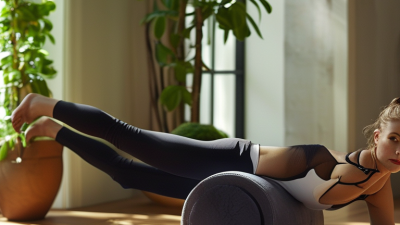
The Barrel has a curved surface instead of springs or straps. It helps open the chest, lengthen the spine, and improve side-body mobility. Many people find the curve uncomfortable at first. I still see clients rush through it, hoping flexibility will appear immediately. That approach usually reduces control. Personal experience also shows that one machine rarely suits every body. Previous injuries, balance, and breathing habits can change the best choice. A qualified professional should observe these details before increasing resistance or complexity.