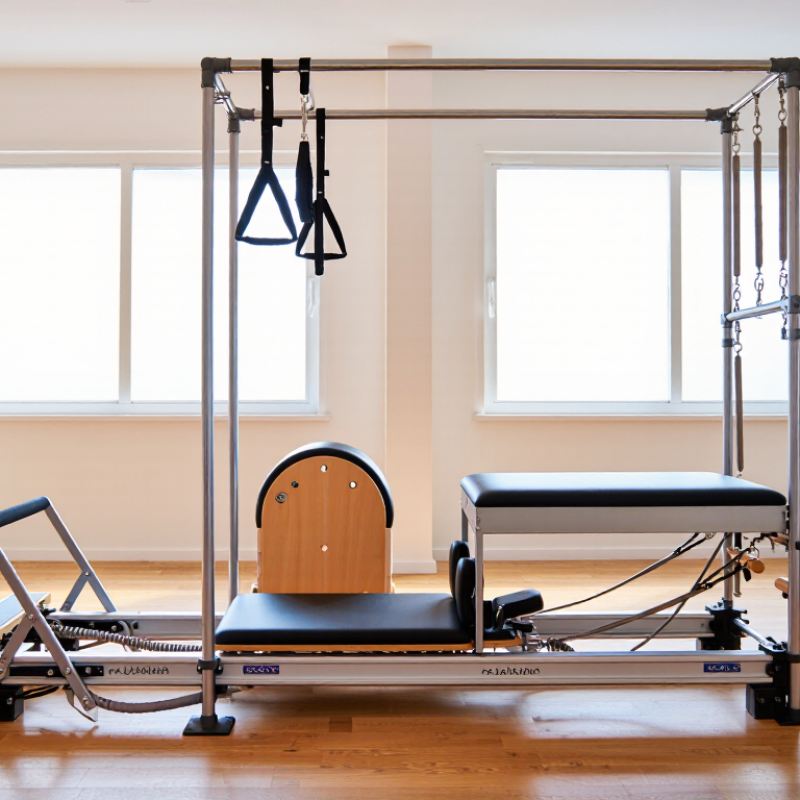
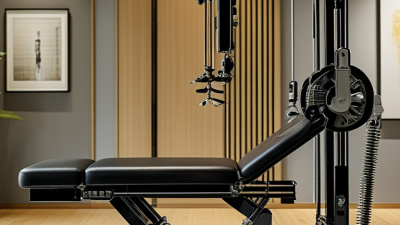
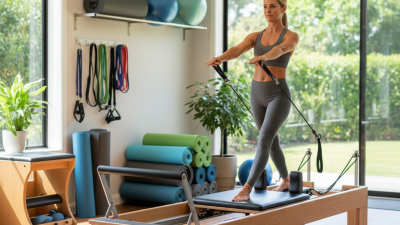
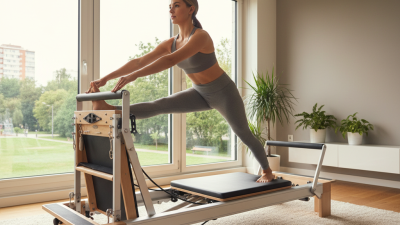
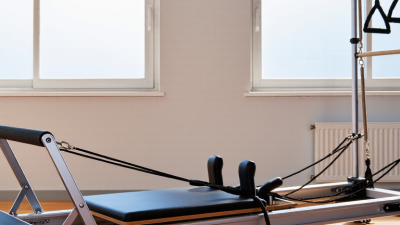
Choosing the right equipment can shape a fitness business’s daily rhythm, client experience, and reputation. A Cadillac Reformer combines reformer carriage work with a raised frame, springs, straps, and adjustable bars. This wider setup supports varied movement patterns in one compact training station.
Joseph Pilates, the method’s founder, wrote, “Physical fitness is the first requisite of happiness.” His principle still matters for studio owners. A well-designed Cadillac Reformer can serve beginners, active adults, and clients rebuilding confidence after inactivity. Instructors can adjust spring resistance, exercise range, and body position with careful control. That flexibility may help studios offer private sessions, small-group classes, and progressive programming.
The business case is practical, but not automatic. A premium machine does not replace skilled instruction, thoughtful screening, or regular maintenance. Owners must check frame stability, cable condition, padding, and spring wear before each training day. Clients notice small details, including smooth carriage movement and secure foot straps. They also notice rushed explanations.
There is room for reflection.
Some studios purchase impressive equipment before understanding their local clients. That can create unused capacity and unnecessary expense. A stronger decision begins with a clear question: What service will this Cadillac Reformer improve? Consider floor space, instructor education, cleaning routines, warranty support, and expected class demand. When these factors align, the equipment becomes more than a visual centerpiece. It becomes a reliable tool for controlled movement, attentive coaching, and sustainable business growth.
Why Choose a Cadillac Reformer for Your Fitness Business?
A Cadillac reformer combines a reformer carriage with a four-post Cadillac frame. The reformer uses springs, straps, a footbar, and a sliding carriage. The Cadillac adds a raised platform, vertical bars, push-through bars, and overhead attachment points. Together, these parts support controlled pushing, pulling, lifting, and stretching exercises.
The resistance comes from springs, not heavy weights. Instructors can adjust spring tension, body position, and movement speed. This allows beginners to practise assisted movements while experienced clients develop strength and stability. A trainer may guide a client through footwork, then move to suspended leg work using the frame. Small adjustments matter. Poor alignment can still create unnecessary strain.
The Global Wellness Institute reported that the physical activity economy reached about 1.1 trillion US dollars in 2022. This growth reflects stronger demand for structured movement and personalised training. The American College of Sports Medicine also continues to rank functional training and mind-body exercise among important industry trends. However, equipment alone does not create a premium service. A Cadillac reformer needs qualified instruction, regular spring and cable inspections, and enough space for safe transitions. The name can also confuse buyers, because some suppliers use it for different designs. Check the frame height, carriage range, load limits, and adjustment points before purchase. It is not a magic machine.
| Business and Equipment Dimension | Typical Data or Specification | What It Means for a Fitness Business |
|---|---|---|
| Equipment Definition | A Cadillac Reformer combines a Pilates reformer carriage with a Cadillac frame, also called a trapeze table. | One integrated station can support both moving-carriage exercises and suspended or spring-assisted exercises. |
| Primary Components | Sliding carriage, carriage springs, footbar, shoulder rests, headrest, ropes or straps, vertical posts, overhead frame, and spring accessories. | The combined setup offers more exercise options than a reformer or a Cadillac frame used separately. |
| How the Reformer Works | The user moves the carriage along a horizontal track against adjustable spring resistance. | Resistance can be adapted for rehabilitation, beginner training, strength work, mobility, and advanced Pilates programming. |
| How the Cadillac Frame Works | Springs, bars, handles, and straps are attached to the frame at different heights to create assisted, resisted, and supported movements. | Trainers can deliver a wider range of exercises for the spine, shoulders, hips, core, and whole-body control. |
| Movement Directions | Reformer carriage movement is primarily horizontal; Cadillac exercises can add vertical, diagonal, rotational, and suspended movement patterns. | The equipment supports more varied programming within a single training area. |
| Typical Overall Footprint | Approximately 240–300 cm long and 70–100 cm wide, depending on the frame design and accessory arrangement. | Studios should measure usable floor space, instructor clearance, storage areas, and emergency pathways before installation. |
| Typical Frame Height | Approximately 200–240 cm for a full-height frame; exact height varies by construction and ceiling requirements. | Adequate ceiling clearance is essential for overhead bars, springs, and safe instructor access. |
| Resistance System | Resistance is usually created by multiple springs with different tension levels, combined with body weight and leverage. | One station can accommodate different fitness levels when springs are selected and adjusted correctly. |
| Load Adjustment | Resistance changes through spring selection, spring position, rope length, bar height, body position, and exercise range of motion. | Precise adjustments allow instructors to tailor sessions without changing machines. |
| Exercise Variety | Common categories include footwork, leg and arm work, spinal articulation, standing exercises, stretching, suspension work, and core control. | A broad exercise library can support private sessions, small-group classes, rehabilitation-oriented training, and instructor education. |
| Recommended User Capacity | Normally designed for one user at a time, with an instructor providing supervision and adjustments. | Single-user operation supports individual coaching and controlled programming but requires careful scheduling for revenue planning. |
| Training Level | Suitable for beginners through advanced users when exercises, spring loads, and attachment points are appropriately selected. | The same station can serve multiple customer segments, reducing the need for separate equipment categories. |
| Space Efficiency | Combines two Pilates apparatus functions in one footprint, although the frame requires additional vertical and operating clearance. | It can improve equipment diversity per square metre when the studio has sufficient ceiling height and access space. |
| Instructor Requirements | Users should receive instruction on spring tension, attachment points, carriage control, and safe transitions. | Staff training is important because incorrect spring setup or attachment use can increase injury risk. |
| Safety Considerations | Before each session, check springs, ropes, straps, buckles, bars, carriage stops, frame connections, and floor stability. | A documented inspection routine helps maintain safe operation and consistent service quality. |
| Maintenance Needs | Routine care includes cleaning upholstery, inspecting hardware, checking moving parts, and replacing worn springs, ropes, or straps. | Preventive maintenance helps reduce downtime and protects the studio’s customer experience. |
| Client Experience | Provides adjustable resistance, guided movement, support from the frame, and a wide range of exercise positions. | The equipment can offer a more personalized and progressive session than a fixed-resistance machine. |
| Business Applications | Suitable for private Pilates sessions, semi-private training, small-group instruction, mobility work, and movement education. | Multiple service formats can help a studio serve different budgets and scheduling preferences. |
| Purchase Evaluation Criteria | Review dimensions, frame stability, carriage travel, spring options, upholstery, weight capacity, adjustability, warranty terms, and service access. | Comparing functional specifications rather than appearance alone supports safer and more sustainable purchasing decisions. |
| Important Specification Note | Dimensions, weight limits, spring tension, attachment configurations, and included accessories differ among equipment models. | Always verify the technical manual and installation requirements for the specific unit before purchase or commercial use. |
Typical dimensions and operating characteristics are industry ranges rather than universal standards; consult the selected equipment’s technical documentation for exact specifications.
A Cadillac reformer suits clients who need adaptable, closely supervised training. Beginners often benefit from its springs, straps, and stable support. These features make unfamiliar movements less intimidating. The equipment also helps instructors adjust resistance quickly during a session.
It works well for clients improving posture, mobility, balance, or core control. Someone recovering from a mild movement limitation may appreciate supported leg and spinal exercises. However, individual screening remains essential. A qualified instructor should consider pain, medical history, and movement quality before increasing resistance. Small adjustments matter.
In my coaching experience, older adults often respond well to the Cadillac’s gentle assistance. Athletes can use it for controlled strength, joint awareness, and movement precision. Dancers may value the varied angles and elastic resistance. It is not a perfect fit for everyone. Some clients prefer simpler equipment, and some goals require heavier conventional strength training. I have also found that too many attachments can distract beginners. Clear instruction keeps the session purposeful.
A Cadillac reformer can help a fitness business offer more than standard group classes. Its springs, straps, bars, and elevated frame support varied movement patterns. Trainers can create beginner sessions, athletic conditioning, mobility work, and rehabilitation-focused classes. This flexibility can attract different customer groups throughout the day. A quiet morning mobility class may serve office workers. Evening strength sessions may appeal to experienced members. In practice, equipment versatility often matters more than adding another identical machine.
Tips: Start with small-group sessions. Keep class sizes manageable. Train instructors on safe spring settings and clear progressions. Use simple intake forms to identify injuries, goals, and fitness levels. Track attendance, retention, and client feedback for several weeks. Numbers help, but direct conversations reveal useful details.
The apparatus can also support private training and instructor workshops. A coach might use the tower for controlled shoulder work, then adjust the same setup for core training. This creates clearer service pathways without requiring a completely new studio area. I have found that clients value visible progress, such as improved balance or smoother transitions. Still, the equipment is not a perfect solution. Poor programming can make advanced sessions confusing or unsafe. Some businesses may also underestimate maintenance, staff education, and scheduling demands. A thoughtful launch, with supervised trials and regular review, gives the business room to improve rather than promising too much too soon.
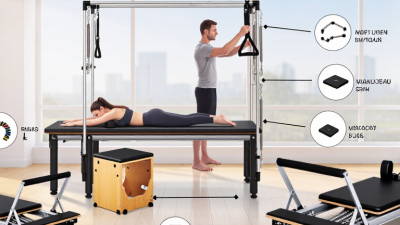
A Cadillac Reformer can help a studio serve different customer needs through private training, duet sessions, small-group classes, rehabilitation-focused sessions, and instructor workshops.
This operational planning model compares the number of common service formats available with a mat-only setup and with a Cadillac Reformer setup. The expanded equipment configuration supports more personalized instruction, varied class sizes, and specialized programming.
A Cadillac reformer should feel stable before it feels impressive. A reinforced frame reduces movement during loaded exercises and repeated daily sessions. Check welds, corner joints, and the platform’s alignment carefully. Small gaps can become distracting noises or serious maintenance issues. The carriage should glide smoothly, without sudden stops or side-to-side movement. Quiet rollers also create a more professional studio environment.
Safety depends on details instructors can see and adjust quickly. Look for secure spring anchors, clearly marked resistance levels, and straps that resist fraying. A wide, cushioned shoulder rest supports comfortable positioning during longer classes. Adjustable bars and pulleys should lock firmly, even when users change height frequently. Padding must be dense enough to support the spine, but not so hard that beginners avoid certain movements.
Durability comes from materials, maintenance access, and sensible design. Corrosion-resistant metal helps in humid studios, while replaceable upholstery lowers long-term repair costs. Ask whether spare springs, ropes, and wheels are readily available.
This point is often overlooked. I have seen attractive equipment lose value because one small component required a full replacement.
Still, no machine stays safe without inspection. Staff should check fasteners, cables, and spring tension every week. A documented maintenance log adds accountability, although busy teams may forget it occasionally. Testing equipment with real instructors, different body sizes, and several exercise patterns reveals weaknesses that showroom demonstrations rarely expose.
Choosing a Cadillac reformer can expand a studio’s service menu, but its value depends on careful planning. Business owners should compare purchase price, delivery, installation, and expected revenue per session. A low quote may exclude springs, straps, mats, or staff training. Ask for a complete equipment list. Keep invoices and warranty terms accessible. This supports more reliable budgeting. Still, projected bookings can be overly optimistic. Test demand with current clients before ordering several units.
Space affects safety and customer experience as much as the machine itself. Measure the frame, carriage path, ceiling height, and walking clearance. Leave room for instructors to move around a client without twisting through narrow gaps. A practical layout may fit fewer machines than a sales diagram suggests. Mark the floor with tape for a week. Watch traffic during busy classes. Shortcuts here create daily friction. Consider storage for removable bars and cleaning supplies. Check flooring strength and ventilation, especially in older buildings.
Maintenance should be priced as an operating cost, not an afterthought. Inspect springs, ropes, pulleys, fasteners, and upholstery on a documented schedule. Wipe high-touch surfaces after each class, then perform deeper checks weekly. Replacement parts may require shipping time, so keep essential spares available. Train instructors to report unusual noise or resistance immediately. A repair delay can cancel sessions and weaken trust. Review utilization after three months. If the equipment sits idle, the original calculation needs revision. Growth is useful only when the numbers and the room can support it.