What Are the Top Pilates Barrels in 2026?
What Are the Top Pilates Barrels in 2026? The answer depends on how you move, train, and recover. A compact barrel may suit a small home studio, while a larger spine corrector can provide deeper support during extension work. Pilates Barrels differ in curve, height, padding, width, stability, and portability. These details affect comfort more than attractive photographs suggest.
This guide evaluates leading options through practical use, professional Pilates principles, and clear buying criteria. We consider spinal support, surface grip, construction quality, weight capacity, storage, and suitability for beginners. We also examine how each barrel feels during chest opening, side bending, hip mobility, and controlled back extension. A good model should feel stable under pressure, not shift across a smooth floor, and remain comfortable after repeated sessions. Safety comes before intensity.
Fit matters.
No single barrel is perfect for everyone. Taller users may need different dimensions than smaller practitioners. Firm foam can offer stronger support, but softer padding may feel friendlier during longer routines. Some reviews focus heavily on appearance and overlook movement quality. That is a weakness worth acknowledging. Hands-on testing also has limits because bodies, floors, and training backgrounds vary. We will separate measurable features from personal impressions, helping readers make a more informed choice. The strongest Pilates Barrels are not always the most expensive. They are the ones that support precise movement, consistent practice, and confident progress.
What Is a Pilates Barrel and How Does It Support Movement?
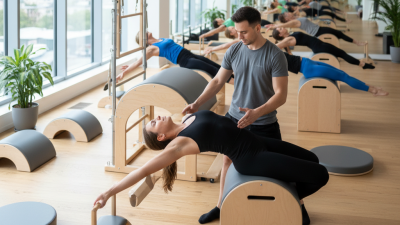
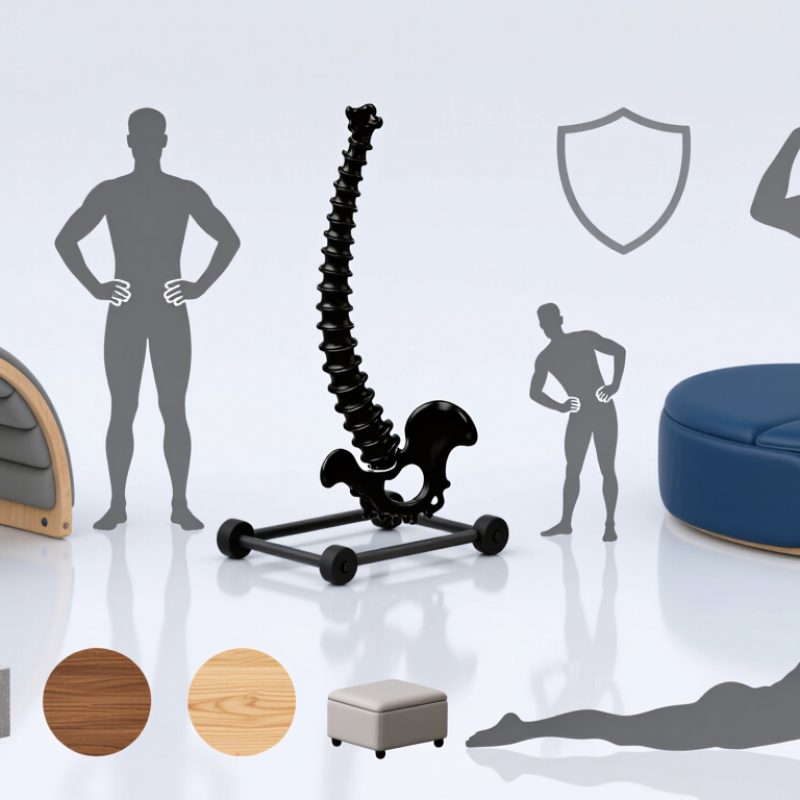
A Pilates barrel is a curved support designed to guide the spine, hips, shoulders, and ribs through controlled movement. Its rounded surface can encourage spinal extension, flexion, rotation, and side bending without forcing range. Common designs include compact spine-corrector barrels and larger ladder barrels with handles or rungs. The right shape depends on body size, training goals, and available space. Small changes matter.
During extension, the barrel supports the upper back while the abdominal muscles remain active. This can help users explore chest opening and smoother breathing. It may also support hip flexor stretches, shoulder mobility, and balance exercises. The curved surface gives clear feedback when the body shifts unevenly. Movement feels clearer.
However, a barrel does not automatically improve alignment. A deep arch is not always better, especially for someone with limited spinal control. In supervised practice, instructors should adjust the barrel’s position and monitor breathing, pressure, and comfort. Stop when movement creates sharp pain, numbness, or unusual strain. I find users often chase a dramatic stretch and ignore smaller control changes. That assumption needs questioning. For a thoughtful 2026 choice, consider stable construction, supportive padding, a non-slip base, and a curve that matches the user’s proportions. A beautiful shape is not enough.
How to Compare the Best Pilates Barrels by Key Features
What Are the Top Pilates Barrels in 2026?
How to Compare the Best Pilates Barrels by Key Features
Choosing a Pilates barrel requires more than checking its shape or price. In regular studio use, I look first at stability, padding, and spinal support. A wide base should remain steady during extensions, side bends, and controlled balance work. Dense foam feels supportive, but overly firm padding may pressure the ribs. The curve should guide movement without forcing the spine into an extreme position. Check the barrel’s length against your torso before buying.
Materials also reveal practical quality. A washable, non-slip cover helps manage sweat and everyday dust. Strong stitching matters around handles, straps, and edge seams. Lightweight models are easier to store, yet very light barrels can slide on smooth floors. I once chose a portable design that seemed convenient, but it shifted during side stretches. That experience changed how I judge stability. Adjustable features can improve comfort, although complicated mechanisms may loosen over time.
Tips: Test the barrel on your actual floor. Place a yoga mat underneath. Press down firmly before exercising. Look for clear care instructions and a realistic weight limit. If possible, try several curves with a trained instructor. Comfort can feel personal, but sharp pressure points are a warning. Beginners should select a supportive shape and progress gradually, rather than choosing the deepest curve available.
What Are the Top Pilates Barrels for Different User Needs?
What Are the Top Pilates Barrels for Different User Needs?
The best Pilates barrel depends on the user, not a universal ranking.
A compact spine corrector suits beginners, home exercisers, and people with limited storage. Its curved surface supports thoracic extension without demanding advanced balance.
The Global Wellness Institute’s 2024 Global Wellness Economy Monitor valued the physical activity economy at about $1.1 trillion in 2022.
That growth suggests more people are training at home, but space and safe progression still matter. A small barrel is easier to place beside a sofa.
Older adults and rehabilitation users need stability first.
A wider arc barrel with firm, non-slip padding can assist gentle spinal mobility and supported breathing. However, equipment cannot replace clinical assessment.
The American College of Sports Medicine recommends individualized exercise decisions, especially when pain, surgery, or chronic conditions are involved.
Test the barrel slowly. A few centimeters of excessive height may change hip and shoulder alignment.
Advanced users may prefer a ladder barrel for deeper extension, hamstring work, and controlled strengthening. It needs a stable frame, clear height adjustment, and enough room around every side.
Market research from Grand View Research identifies growing demand for Pilates equipment, yet sales growth does not prove quality.
I would not call the tallest barrel the best choice. My own practical preference is adjustable support, because bodies differ and confidence changes. Even experienced users can misjudge a difficult angle. A qualified instructor should check technique before adding range or resistance.
How to Choose the Right Pilates Barrel for Your Practice?
What Are the Top Pilates Barrels in 2026?
Choosing the right Pilates barrel starts with your body, not its appearance. A barrel should support your spine without forcing your shoulders forward. When lying over the curve, your ribs should expand easily, and your lower back should not pinch. A small arc barrel may suit beginners, shorter users, or gentle mobility work. A larger barrel often provides deeper extension, but it can feel demanding for tight hips and stiff backs. Measure your available floor space too. A beautiful barrel is useless if you cannot move safely around it.
Consider construction carefully. Look for a stable base, firm padding, smooth edges, and materials that are easy to clean. The curve should feel supportive rather than soft and collapsing. In professional practice, instructors often adjust barrel height with cushions or folded towels. That simple test can reveal whether the shape suits your posture. Still, comfort alone is not enough. Your breathing, balance, and control matter more. I would not choose the most advanced design immediately. More support can sometimes hide weak technique.
Tips: Test several positions before buying. Try spinal extension, side bending, and seated balance. Stop if you feel sharp pain, numbness, or unusual pressure. A qualified Pilates instructor or physical therapist can check your alignment, especially after injury. Recheck your choice after a few sessions. Your body may respond differently than expected.
What Are the Top Pilates Barrels in 2026? How to Choose the Right Pilates Barrel for Your Practice?
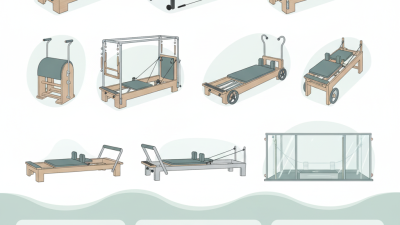
Pilates barrels differ mainly in height, portability, and exercise range. A spine corrector is compact and suitable for home mobility work, while an arc barrel offers moderate support for stretching and spinal extension. A ladder barrel is larger, heavier, and better suited to advanced training that requires adjustable climbing and extension positions. The dimensions shown are typical approximate ranges because specifications vary by manufacturer and model.



 1Durch die gruppenweite Einführung und Harmonisierung unseres integrierten Managementsystems (IMS) werden alle bestehenden Unternehmens-, Qualitäts-, Umwelt- und Energiepolitiken durch diese Unternehmenspolitik ersetzt. Der Slogan „Textil hat Zukunft – auch in De