A Pilates Bed can become a practical investment for a growing fitness business. It gives instructors a stable platform for controlled, low-impact movement. Clients can use springs, straps, and a moving carriage to challenge strength, balance, and mobility. In a well-designed studio, the equipment also supports varied sessions without filling the room with multiple machines. That flexibility matters when floor space, scheduling, and operating costs require careful planning.
The value depends on more than the equipment itself. A qualified instructor must understand alignment, spring resistance, progression, and safe client positioning. A durable Pilates Bed should offer smooth carriage movement, secure attachments, comfortable padding, and simple maintenance access. These details become noticeable during a busy morning, when several clients need quick adjustments between sessions. Client feedback, service records, and hands-on testing can reveal weaknesses that product brochures may hide. Not every Pilates Bed suits every business. A boutique studio may need premium finishes, while a rehabilitation-focused space may prioritize accessibility and stability. The machine is not a magic solution. Poor instruction can limit its benefits. Even experienced owners may underestimate cleaning time, staff training, or replacement-part availability. This guide examines the practical reasons to choose a Pilates Bed, while recognizing its limitations. It considers client experience, business efficiency, safety expectations, and long-term value. The goal is a balanced decision, not an exaggerated sales promise.
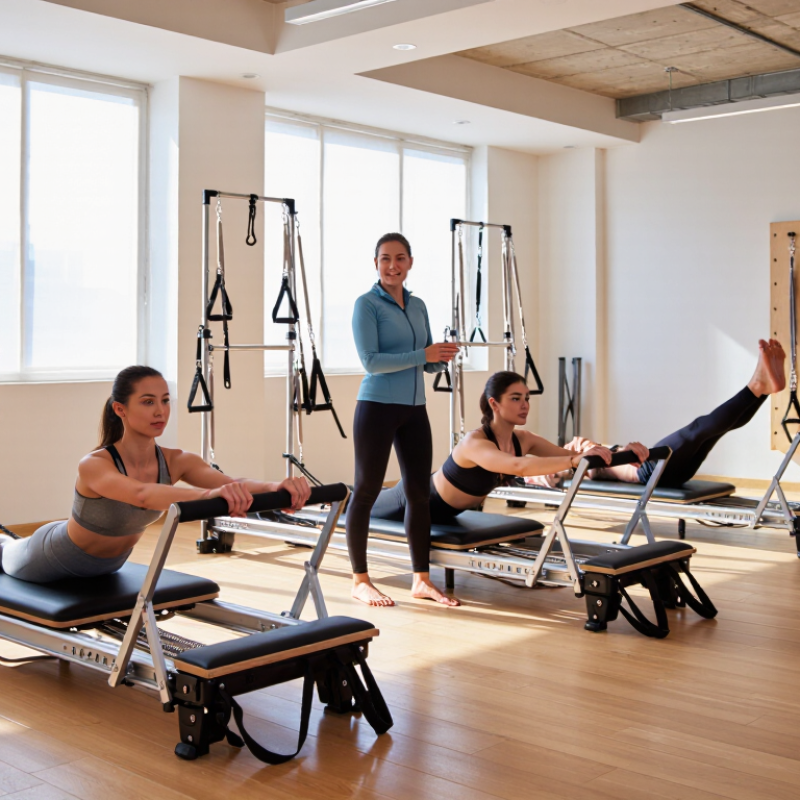
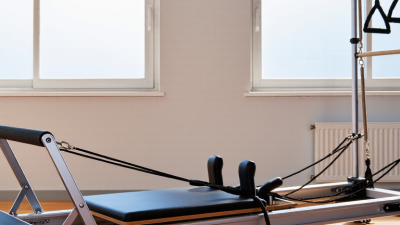
A Pilates bed, often called a reformer, is a frame-based exercise machine with a moving carriage, springs, straps, and a footbar. The user pushes or pulls the carriage while controlling resistance through the springs. It looks simple. It is not effortless.
The springs create adjustable tension, while the carriage demands balance and precise movement. A trainer may guide a client through footwork, leg circles, or seated pulling exercises. These movements can develop strength, mobility, posture, and body awareness. Resistance is adjustable, so one machine can serve beginners and experienced clients. The equipment also supports low-impact training, which may suit people managing joint discomfort, although professional screening remains important.
Demand is measurable. ClassPass’s 2024 Look Back Report named Pilates its most-booked workout worldwide, with bookings rising 66% year over year. The Global Wellness Institute reported that the global physical activity economy reached about 1.1 trillion dollars in 2022 and may exceed 1.3 trillion dollars by 2028. These figures suggest commercial potential, not guaranteed profit.
A fitness business still needs qualified instructors, safe programming, maintenance, and enough floor space. One bed does not create a premium experience. Poor spring selection can make movement unstable. I have seen businesses focus on equipment before coaching quality. That order deserves reconsideration. A Pilates bed works best as part of a measured service, not as a decorative purchase.
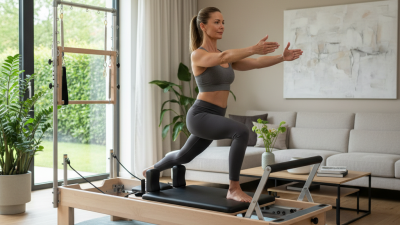
A Pilates bed can serve more than experienced studio regulars. Its moving carriage, adjustable springs, footbar, and straps create a controlled training environment. Beginners can practice breathing, pelvic alignment, and gentle leg presses with light resistance. The bed also supports clients returning after inactivity, when balance and confidence may be limited. Sessions can remain low-impact while challenging the trunk and hips. Keep the movements precise. That matters.
For stronger clients, heavier springs and longer sequences can develop muscular endurance, mobility, and body awareness. Athletes may use unilateral exercises to examine control after repetitive movement patterns. Older adults often value supported standing drills and gradual balance practice. However, the equipment does not replace professional judgment. Instructors should review relevant health history, explain setup, and adjust range, spring tension, and tempo. Clients with persistent pain may need appropriate medical referral. Pregnant clients and people recovering from surgery may require medical clearance and tailored instruction. Experience shows that one setting rarely suits everyone. A rushed session can expose that weakness. The bed looks versatile, yet poor cueing can still produce poor movement. Review each client’s response, record useful adjustments, and remain willing to change the plan.
| Client Group | Typical Training Goal | Suitable Training Level | How a Pilates Bed Can Help | Recommended Session Format | Business and Programming Considerations |
|---|---|---|---|---|---|
| Pilates Beginners | Learn fundamental movement patterns, breathing, alignment, and equipment control. | Beginner | The springs, footbar, carriage, and straps provide adjustable resistance and support, making many exercises scalable for new participants. | Private sessions or small groups of 2–6 clients; 45–60 minutes. | Use clear demonstrations, low-complexity exercises, and gradual progression. Instructor supervision is important when clients are learning carriage and spring control. |
| General Fitness Clients | Improve muscular endurance, mobility, coordination, and whole-body control. | Beginner to Intermediate | Exercises can combine controlled resistance, dynamic carriage movement, and integrated upper- and lower-body work without relying on impact-based training. | Small-group classes of 4–8 clients; 45–60 minutes. | Offer structured class levels and consistent programming. Track attendance, exercise tolerance, and technical quality rather than focusing only on repetitions. |
| Strength and Conditioning Clients | Build core endurance, improve movement efficiency, and complement other resistance training. | Intermediate | Variable spring resistance and unstable carriage movement can challenge trunk control, hip stability, shoulder stability, and muscular endurance. | Private coaching or focused small groups; 45–60 minutes. | Position the Pilates bed as a complement to strength training, not a replacement for all forms of progressive resistance exercise. Progress exercises through control, range, leverage, and spring selection. |
| Older Adults | Maintain mobility, balance strategies, coordination, and confidence in movement. | Beginner to Intermediate | The bed can offer seated, supine, side-lying, and supported standing variations, allowing instructors to modify position and resistance. | Private sessions or small groups of 2–6 clients; 40–55 minutes. | Use accessible equipment settings, slower transitions, and adequate space. Screen for balance limitations and obtain appropriate medical clearance when needed. |
| Desk-Based Professionals | Develop postural awareness, spinal mobility, hip mobility, and movement variety. | Beginner to Intermediate | Controlled exercises can address common training priorities such as thoracic movement, hip extension, scapular control, and trunk endurance. | After-work classes, lunchtime sessions, or 30–50-minute private appointments. | Schedule convenient time slots and emphasize movement education. Avoid promising to “correct posture” permanently; progress should be assessed through comfort, control, and functional movement. |
| Athletes and Active Adults | Improve body awareness, joint control, mobility, and training variety. | Intermediate to Advanced | Unilateral work, controlled range of motion, and spring-based resistance can be programmed to challenge coordination and address movement asymmetries. | Individualized sessions or performance-focused groups; 30–60 minutes. | Coordinate programming with the client’s sport and recovery schedule. Avoid presenting Pilates as a guaranteed injury-prevention method; refer pain or suspected injury to a qualified healthcare professional. |
| Post-Rehabilitation Clients | Gradually rebuild movement confidence, strength, and tolerance after rehabilitation. | Beginner to Intermediate | Resistance and range of motion can be adjusted in small increments, supporting a carefully graded return to exercise. | One-to-one sessions or very small groups with individualized programming. | Only train within the scope of the instructor’s qualifications and the client’s healthcare guidance. Document restrictions, monitor symptoms, and communicate with healthcare providers when appropriate. |
| Prenatal and Postnatal Clients | Maintain appropriate movement, breathing, mobility, and gradual postnatal conditioning. | Beginner to Intermediate | The equipment allows exercise modifications, including supported positions and adjustable resistance, when selected by a qualified instructor. | Private or specialist small-group sessions; duration and intensity should be individualized. | Use instructors with relevant pre- and postnatal education. Screen for medical considerations and modify or stop exercises when symptoms or professional guidance require it. |
| Clients Seeking Low-Impact Exercise | Improve fitness and muscular endurance while limiting repetitive impact. | Beginner to Intermediate | Most exercises are performed with controlled movement and minimal impact, while springs provide adjustable resistance. | Small-group classes or private sessions; 45–60 minutes. | Low impact does not mean low intensity. Confirm that the client can safely enter, exit, and use the equipment, and provide alternatives for kneeling, wrist loading, or supine work. |
| Experienced Pilates Clients | Refine technique, increase exercise variety, and develop advanced control. | Intermediate to Advanced | The carriage, straps, footbar, and spring combinations support a broad progression of exercises and programming challenges. | Technique-focused private sessions or advanced groups of 3–8 clients. | Require strong equipment knowledge and precise cueing. Advanced exercises should be earned through demonstrated control, not used simply to increase class difficulty. |
Programming note: Client suitability depends on individual health status, movement experience, goals, and instructor qualifications. Pilates equipment should be used under appropriate instruction, with medical guidance sought for pain, injury, pregnancy-related concerns, or post-rehabilitation training.
A Pilates bed can turn one studio room into several service zones. Clients may begin with a 30-minute foundation class, then progress to private coaching or small-group sessions. The equipment supports controlled resistance, adjustable springs, and clearer movement feedback. These details help instructors serve beginners, older adults, and experienced clients without using the same lesson format.
The Global Wellness Institute reported that the wellness economy reached 6.3 trillion dollars in 2023. ACSM’s 2024 Worldwide Survey also ranked fitness programs for older adults among the leading global trends. A Pilates bed responds to both shifts. It can support balance-focused sessions, mobility work, strength training, and low-impact conditioning. The Global Wellness Institute’s data does not guarantee bookings. Local demand still matters.
Small details matter. A quiet bed, clean straps, and simple booking options can influence repeat visits. Businesses can schedule private appointments during slow hours, then run six-person classes during peak periods. This improves space usage and creates different pricing levels. The risk is real. Training, maintenance, and instructor quality require ongoing investment. Some businesses may purchase equipment before testing demand, which can leave beds unused. A better approach is to survey current members, offer trial sessions, and track attendance, retention, and revenue per session. These results reveal whether the service truly expands the business, rather than merely adding attractive equipment.
A Pilates bed can turn a quiet studio corner into a revenue-producing training area, but the numbers deserve attention. Purchase price is only the beginning. Add delivery, installation, instructor training, insurance, and replacement accessories. A realistic budget should include several months of slower bookings. That part is easy to underestimate.
Space planning affects both comfort and safety. Measure the bed, then add room for carriage movement, walking paths, and instructor demonstrations. A small studio may need roughly three by four meters per station, depending on the equipment and class format. Leave clear access around springs, straps, and footbars. Crowded equipment looks profitable on paper. It can feel stressful in practice. A layout may work during quiet sessions but fail when two clients need adjustments at once.
Maintenance is usually manageable, but it requires consistent scheduling. Wipe high-touch surfaces after every session, inspect ropes and springs weekly, and check fasteners monthly. Keep a written log with dates, findings, and repairs. Springs can lose tension, while upholstery may crack under sweat and harsh cleaning chemicals. Use products approved for the materials, not whatever is nearby. A missed inspection can create downtime and damage client trust. Ask how easily replacement parts can be sourced and whether qualified technicians are available locally. Cheaper equipment may cost more when one small failure closes a station for days.
Why Choose a Pilates Bed for Your Fitness Business?
How Should a Fitness Business Choose the Right Pilates Bed?
Choosing a Pilates bed should begin with your class model, not its appearance. The Global Wellness Institute valued the physical activity economy at about 1.06 trillion dollars in 2023. This growth creates opportunity, but competition also raises customer expectations. A suitable bed must support repeated daily use, smooth carriage movement, and safe transitions between exercises.
Measure the studio first. Leave enough space for instructors to walk around the equipment and correct alignment. Check the bed’s length, width, weight capacity, spring options, and adjustment points. A commercial frame should resist wobbling during kneeling work. Quiet wheels matter in small rooms. So does easy cleaning between classes. The International Health, Racquet & Sportsclub Association reported 72.9 million US fitness-facility members in 2022, showing the scale of demand for professional exercise environments.
Test before buying. Ask an instructor to perform footwork, short-box exercises, and side splits on the same model. Record carriage noise after repeated cycles. Check whether springs can be changed without awkward bending. A spreadsheet helps, but it cannot measure instructor confidence. That is often overlooked.
Budget for service, replacement parts, delivery, and staff training. The cheapest bed may become expensive when classes are full and repairs interrupt bookings. Still, premium construction does not guarantee better business results. Review attendance forecasts, room capacity, and expected payback. I would also pilot one bed before ordering several. That choice may feel slower, but real member feedback can expose problems that product specifications hide.
How Should a Fitness Business Choose the Right Pilates Bed?
For a fitness business, safety and structural stability should receive the highest priority, followed by commercial durability and adjustment flexibility. Footprint, user capacity, maintenance requirements, and total cost of ownership help determine whether the Pilates bed fits the studio’s space, class format, and long-term operating budget.